An Appendix to the Volume · Walked in Person · August MMXXVI
The Mille Lacs Thread
The volume names the Chippewa thread; this page walks it —
the gardens, shoreline, and galleries of the Mille Lacs Indian Museum
& Trading Post, on the southwest shore of Misi-zaaga'igan,
the homeland the Anishinaabeg made permanent by 1750.
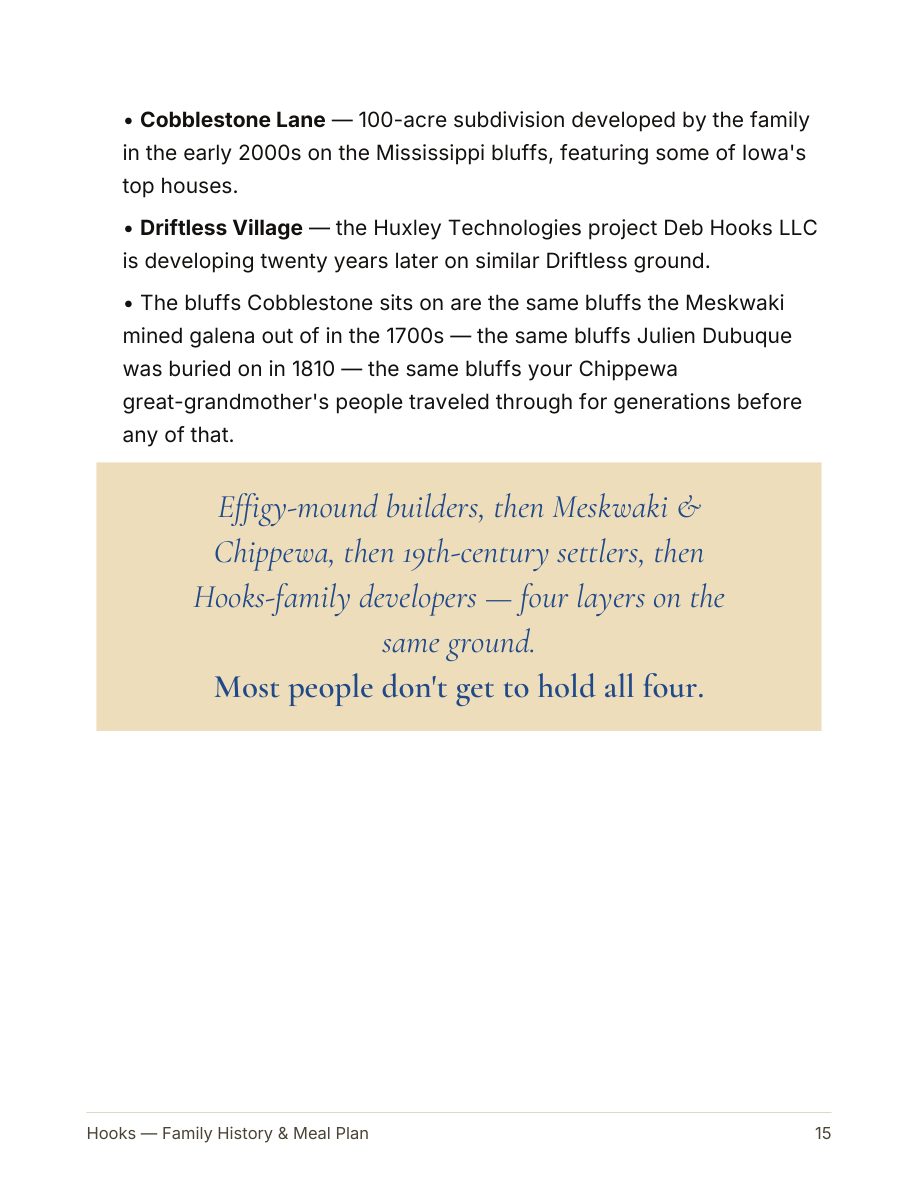
People have chosen this shore for nine thousand years —
the oldest dated site in Minnesota sits on a creek just south of the lake —
and a century ago Frances Densmore sat here and wrote down
some two hundred plants the Ojibwe reached for.
Every ecosystem kept its own medicine cabinet;
this one is among the oldest in continuous use, and the best written down.
A map to open, then twenty-two plates, the early movements each opened by a page
of the volume itself — the paper and the place, side by side.
And a closing movement from the night at the drum —
with a walk, between them, into the mashkiig:
the bog the medicines come from.
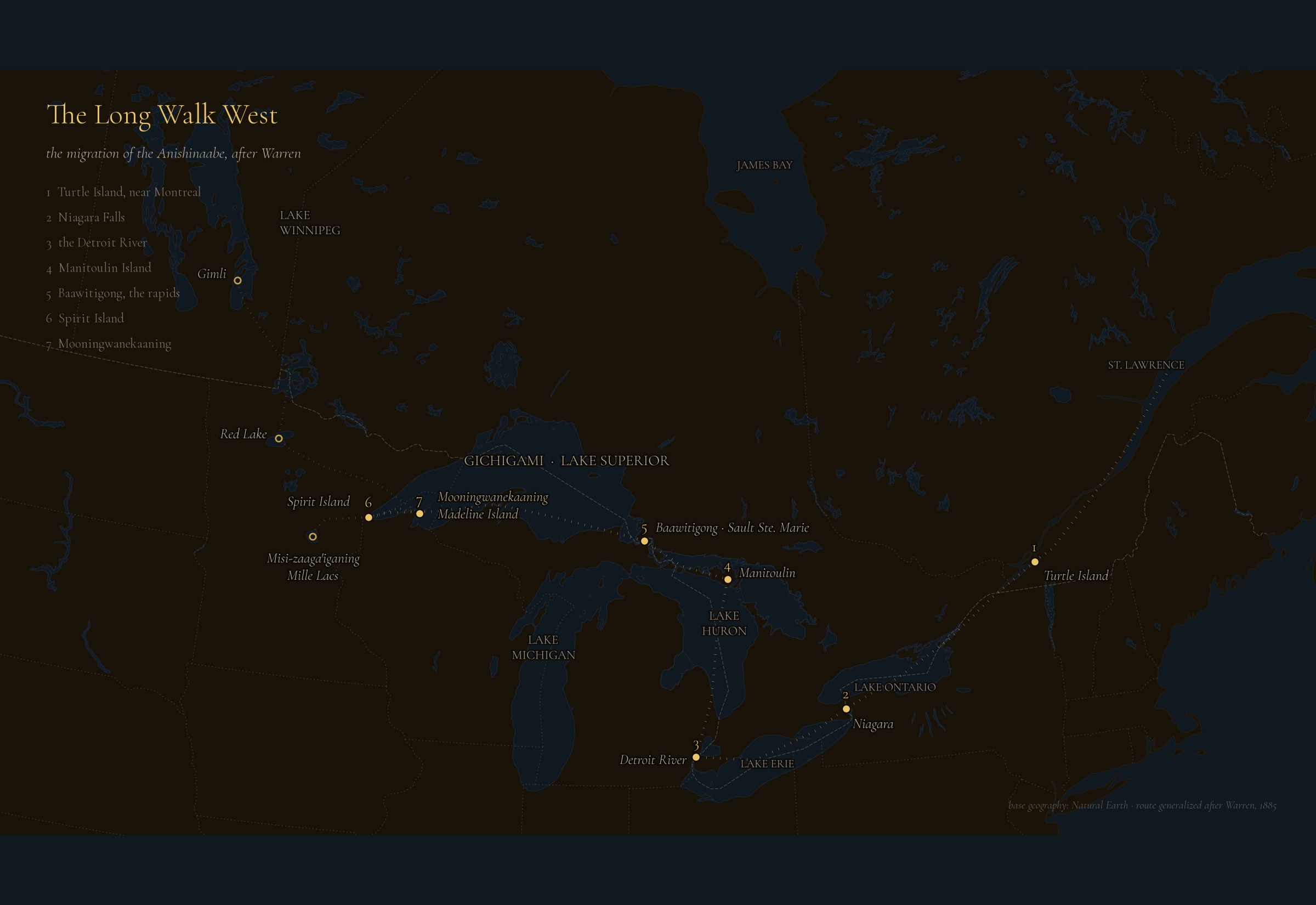
Frontispiece · The Long Walk West
The migration of the Anishinaabe — west from the great river, along the lakes,
through seven stopping places to Mooningwanekaaning, Madeline Island —
and on from the lake's head to Misi-zaaga'iganing, Mille Lacs,
and north to Lake Winnipeg. Five hundred years of walking —
every page that follows sits at the western end of this line.
Movement I
The Garden · Gitigaan
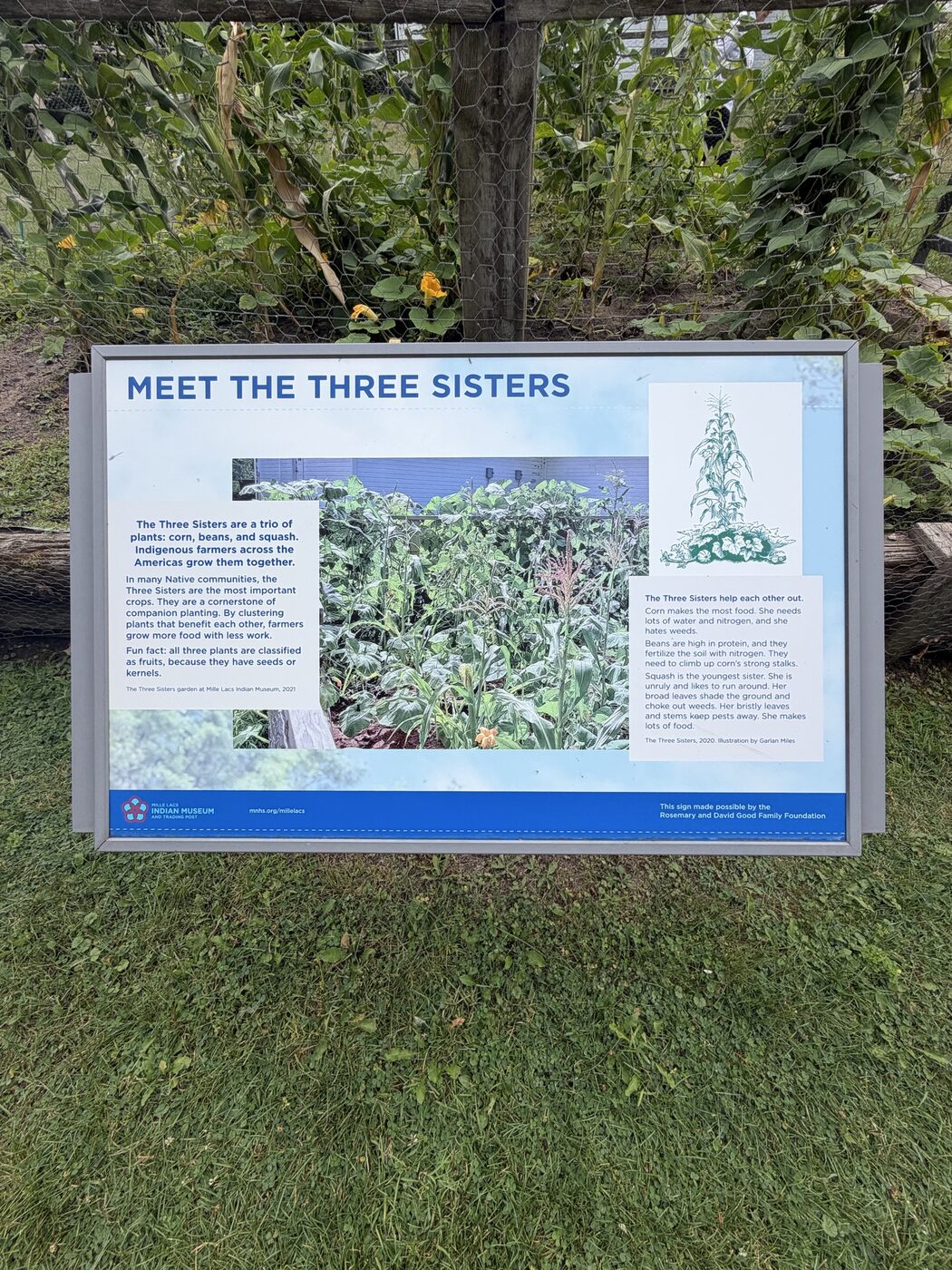
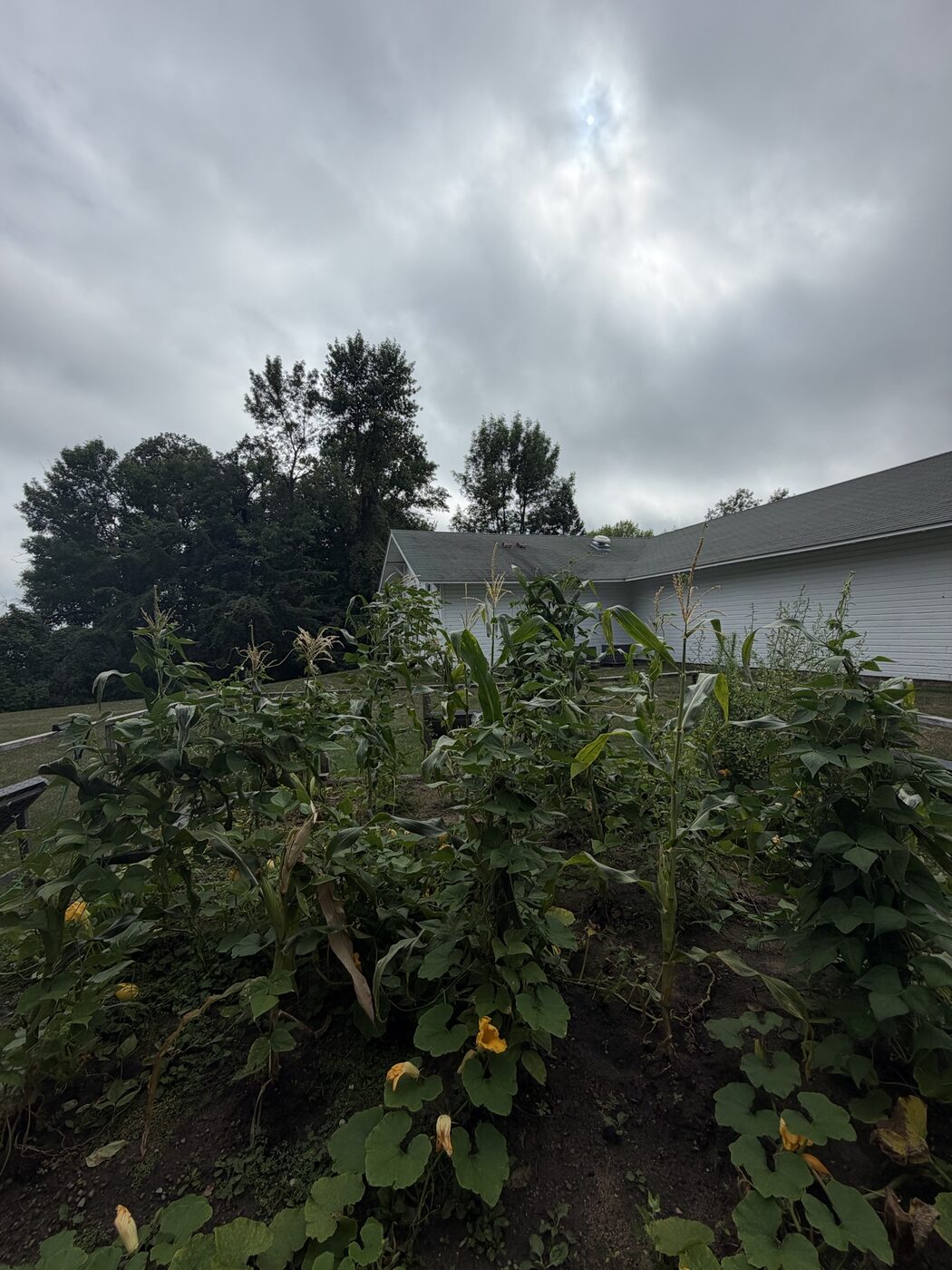
Corn, beans, and squash grown together — the Three Sisters,
the oldest companion planting on the continent.
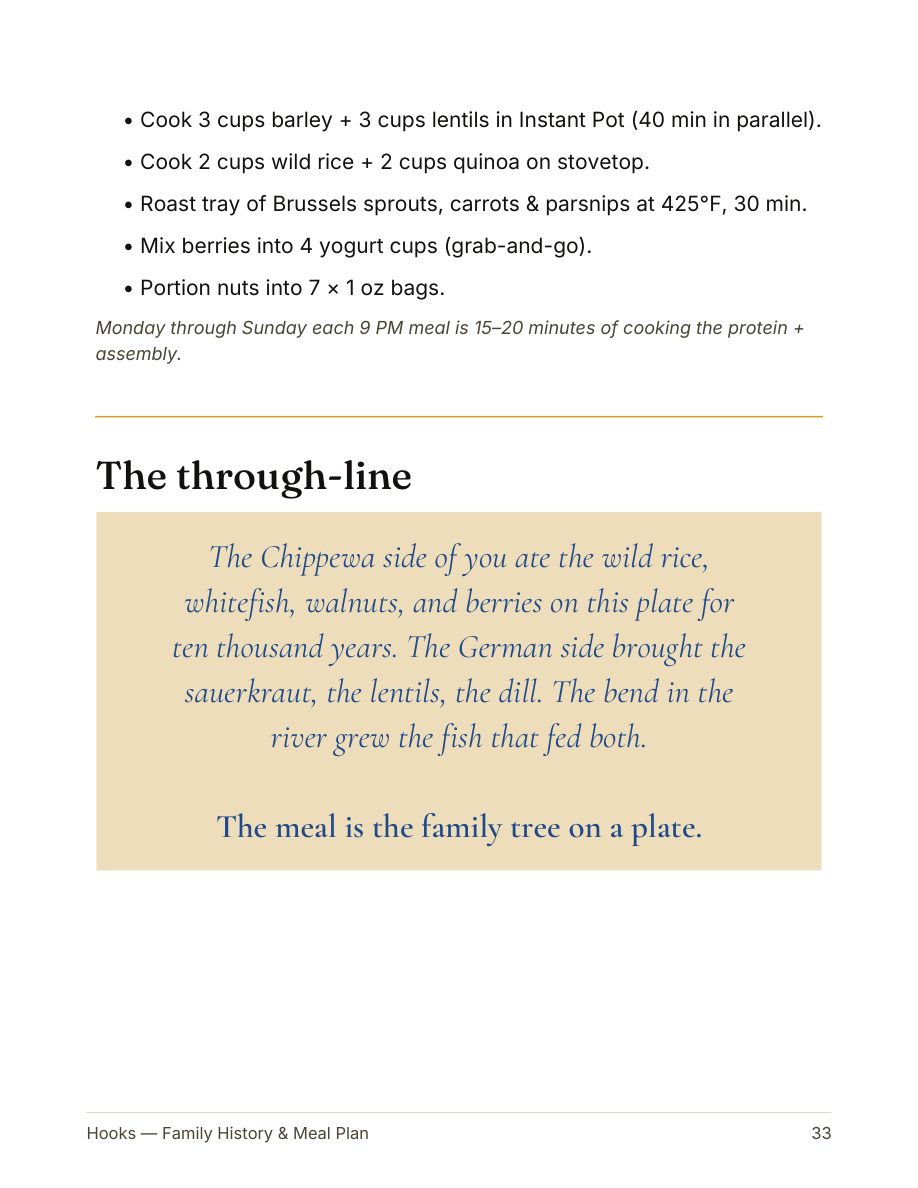
From the volume · Page 33
“The meal is the family tree on a plate.” The sentence starts here,
in the ground behind the museum.
Meet the Three Sisters — the garden introduces itself at the gate.
The garden in August — corn tasseling over squash blossoms under a Mille Lacs sky.
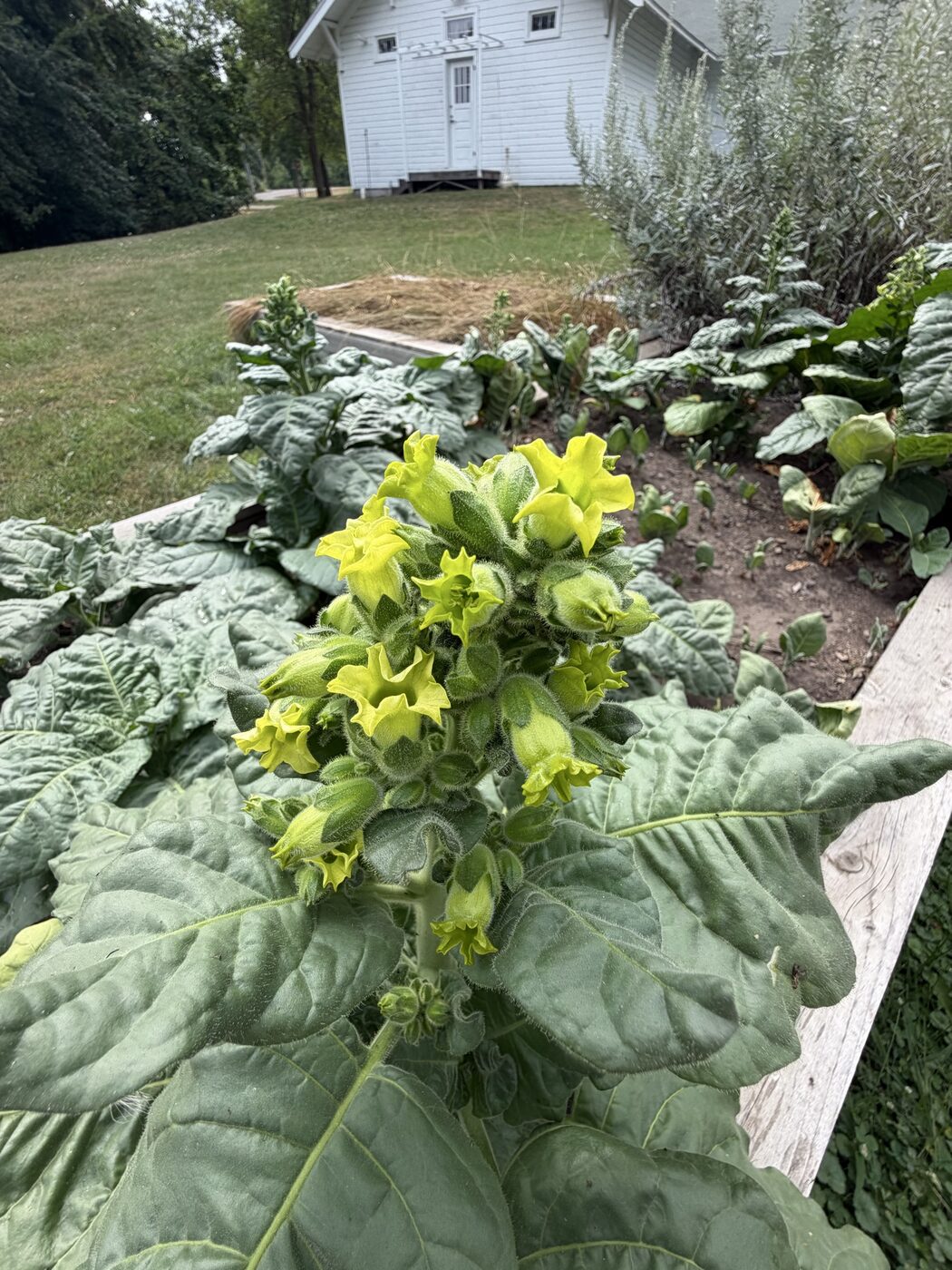
Asemaa in bloom — tobacco, offered when seeking help, guidance, or protection.
Movement II
Along the Shore
The forage walk between the museum and the water —
every plant signed with its Ojibwe name, its season, and its use.
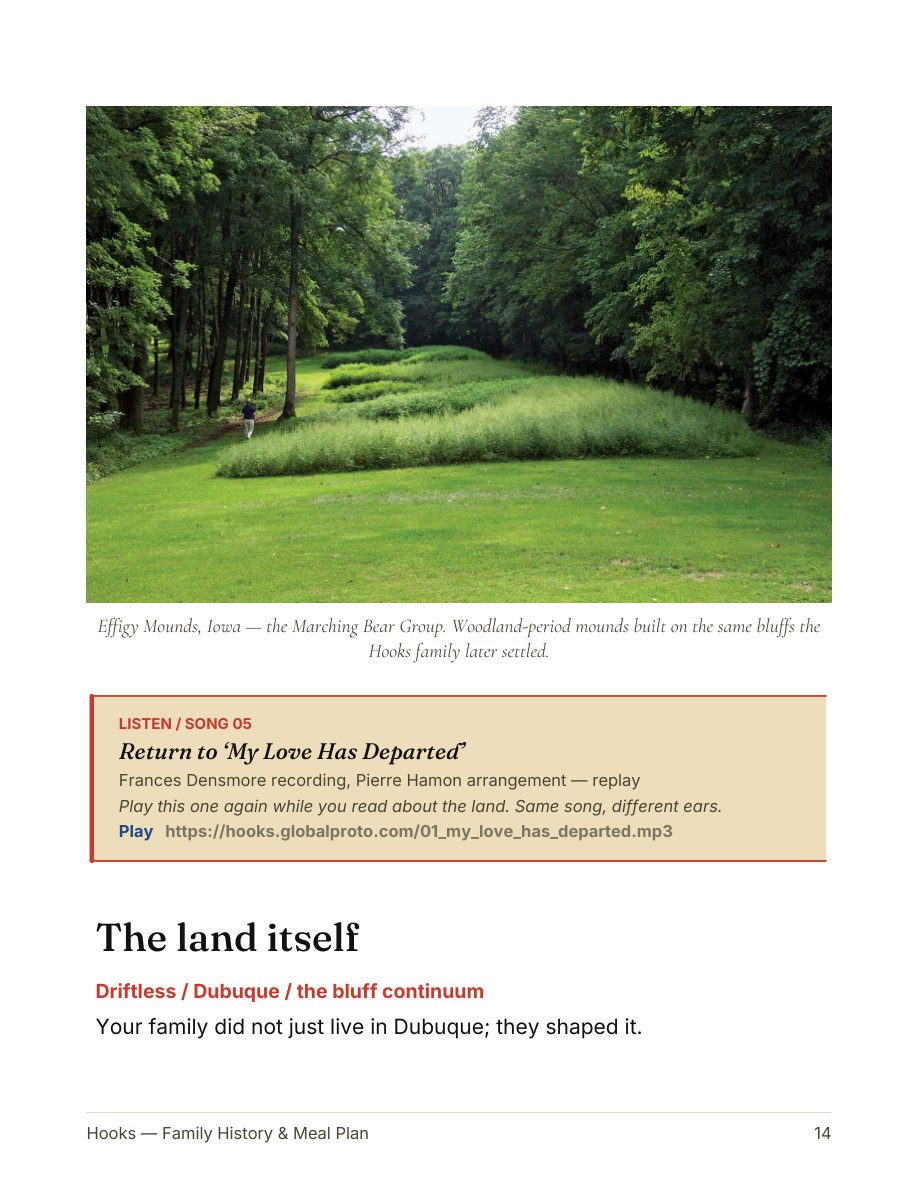
From the volume · Page 14
The land itself. The volume reads the river bluffs;
this shore is the older bank of the same story.
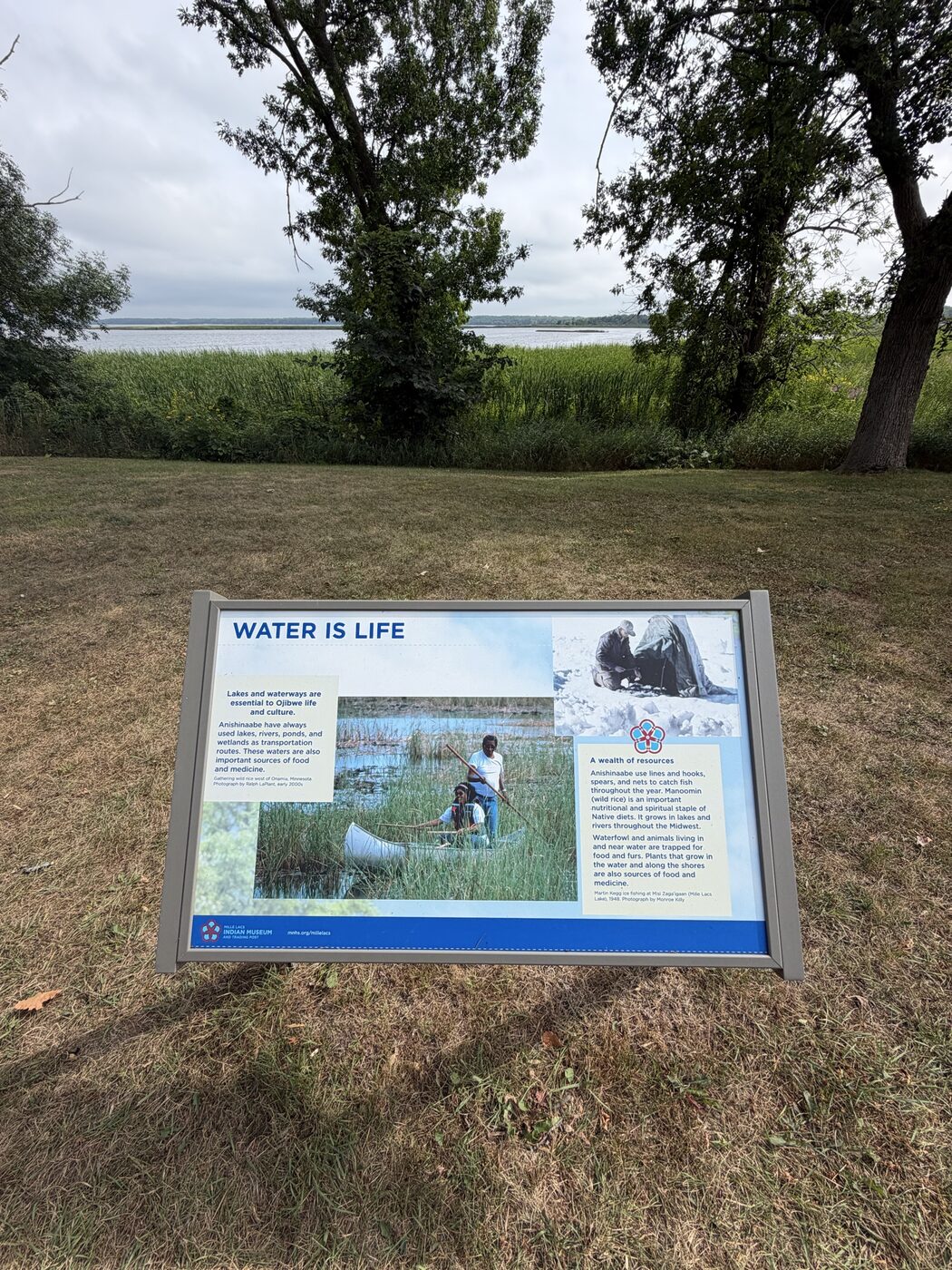
Water is Life — Misi-zaaga'igan behind the sign that explains it. Manoomin grows in these waters.
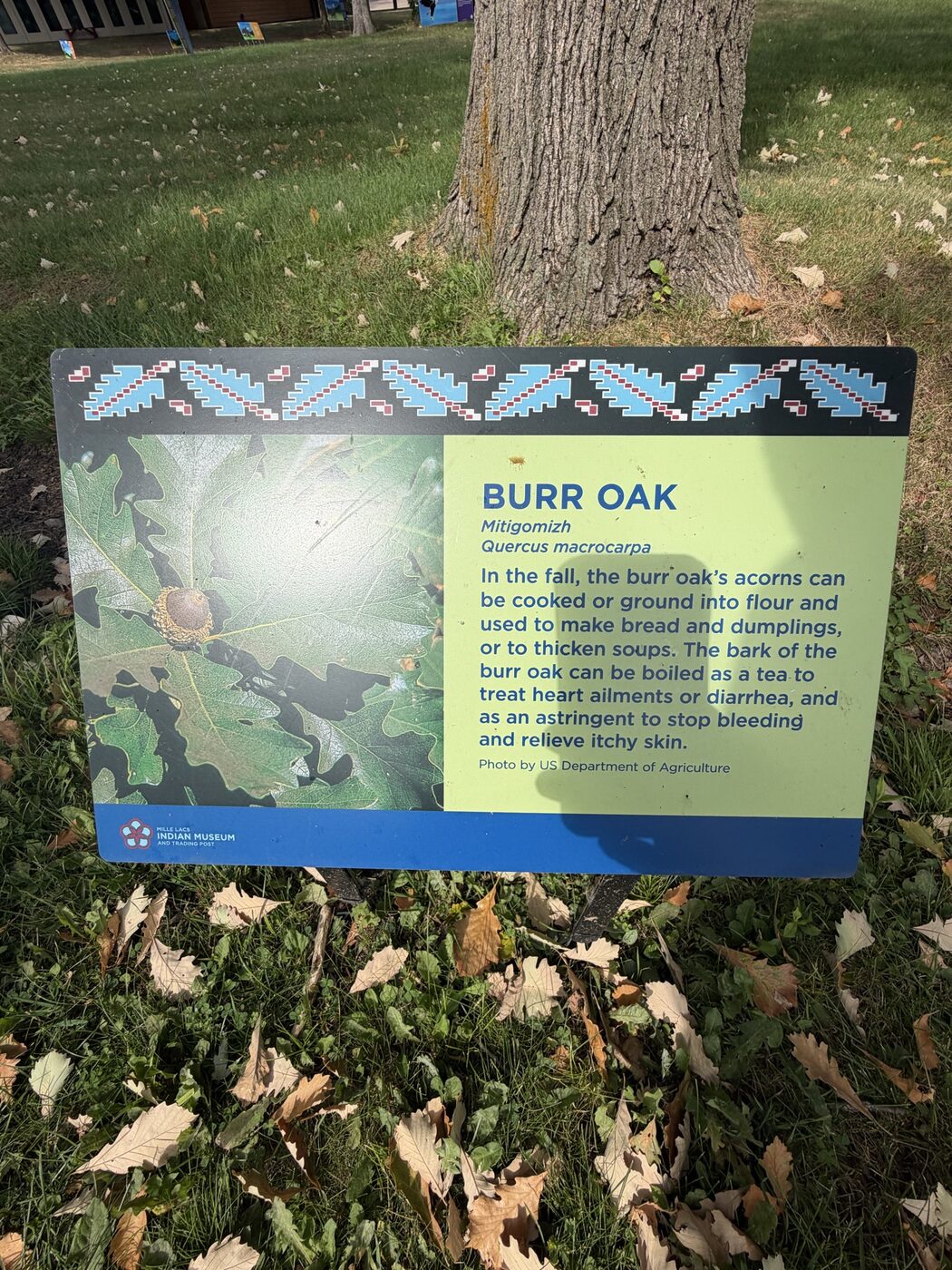
Mitigomizh — burr oak, acorns ground into flour, bark boiled as tea.
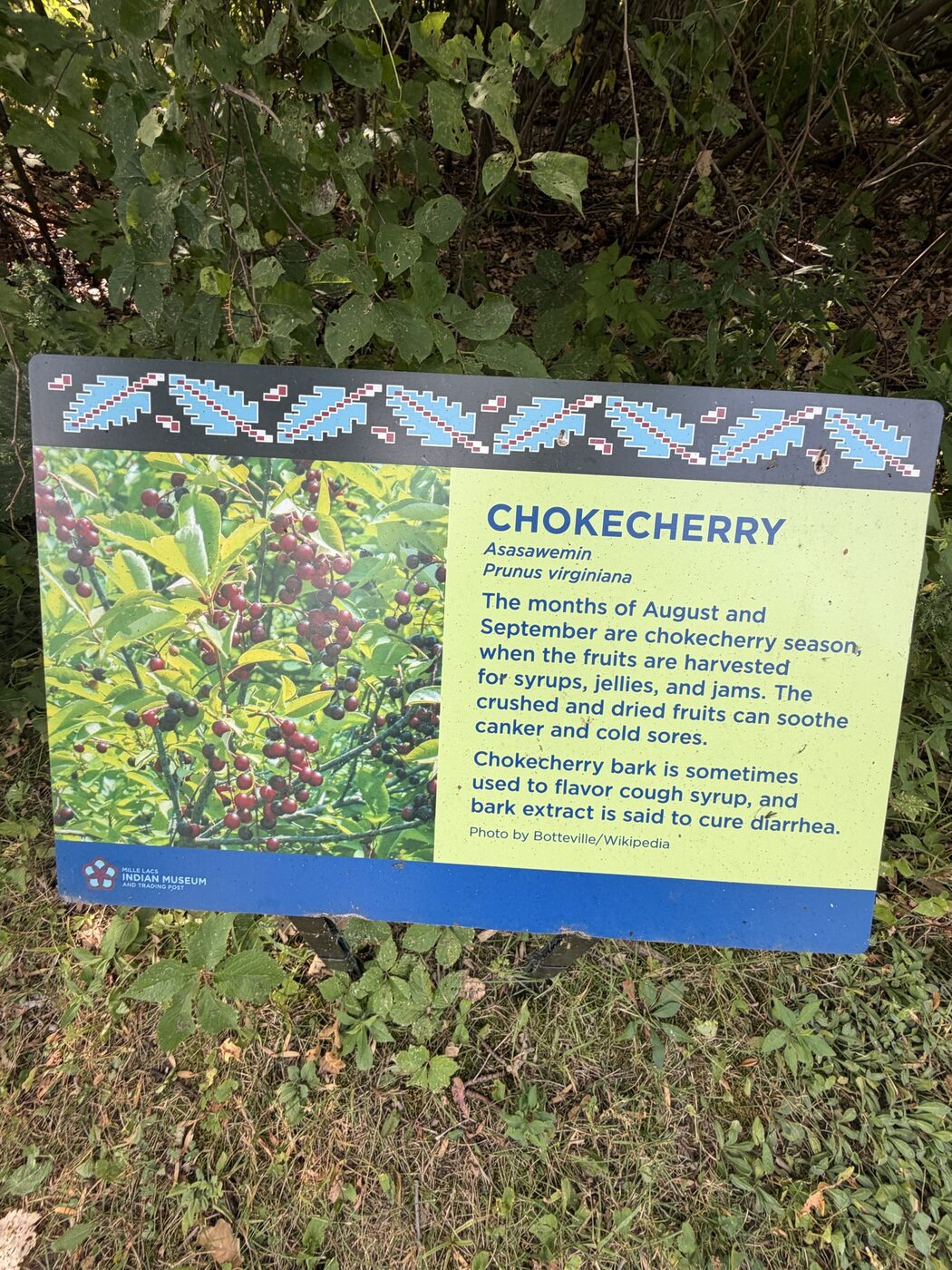
Asasawemin — chokecherry, harvested in August and September for syrups and jams.
Movement III
Inside the Museum
Two hundred years of the Mille Lacs Band — clans, migration,
governance, beadwork, and the Four Seasons Room at the heart of it.
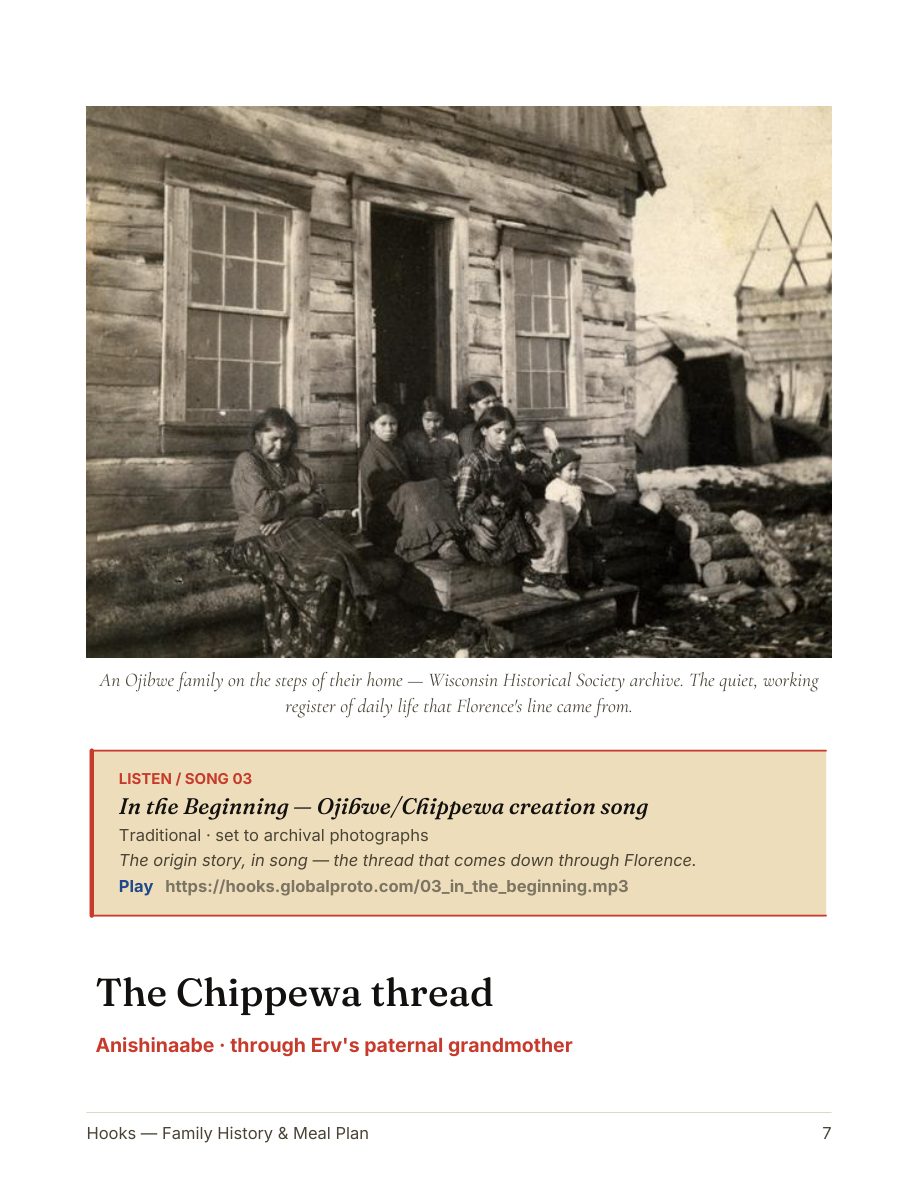
From the volume · Page 7
The Chippewa thread. The page Florence carries —
every case in these galleries is its footnote.
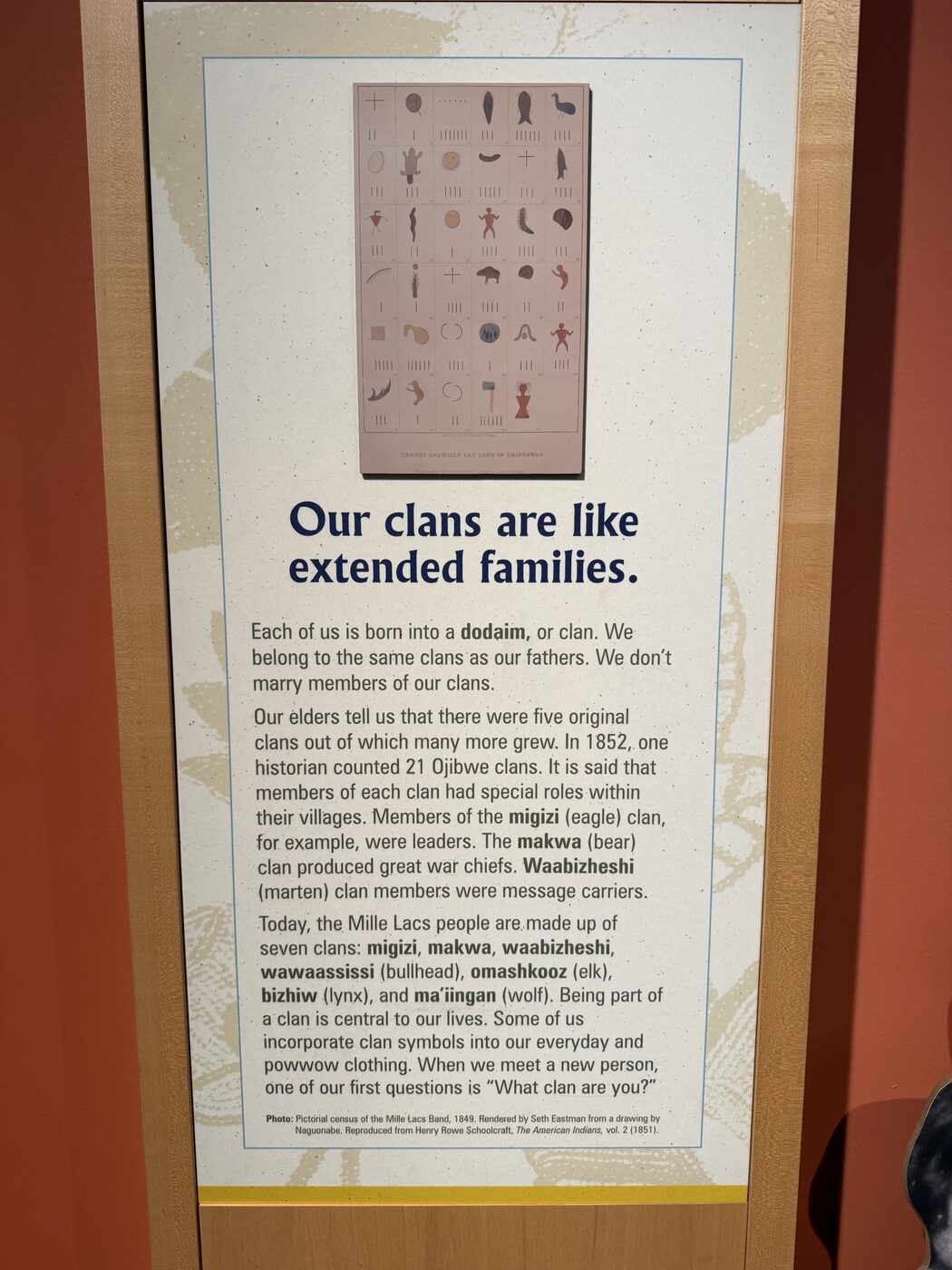
Our clans are like extended families — the dodaim, seven at Mille Lacs today.
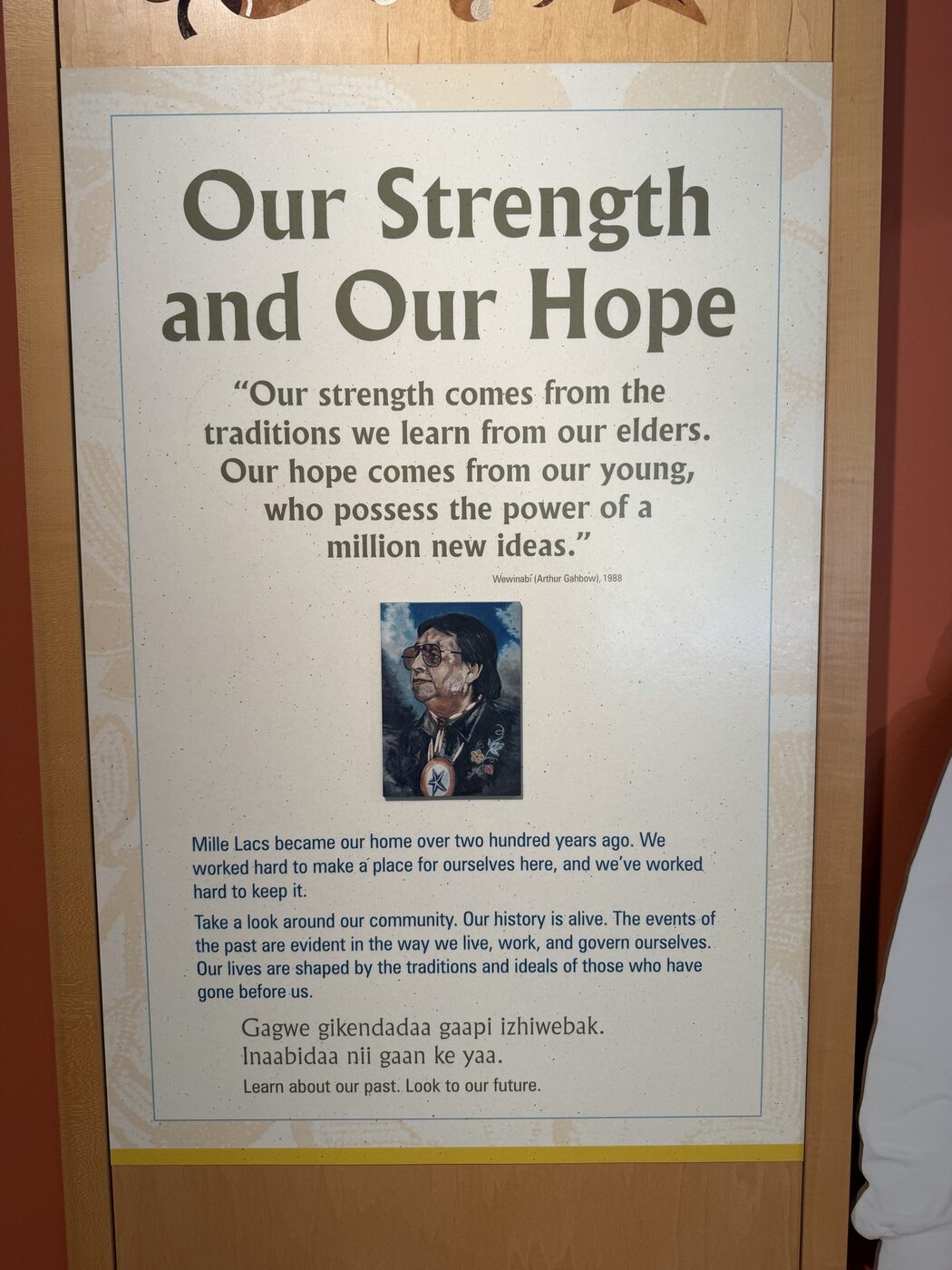
“Our strength comes from the traditions we learn from our elders.” — Wewinabi (Arthur Gahbow), 1988.
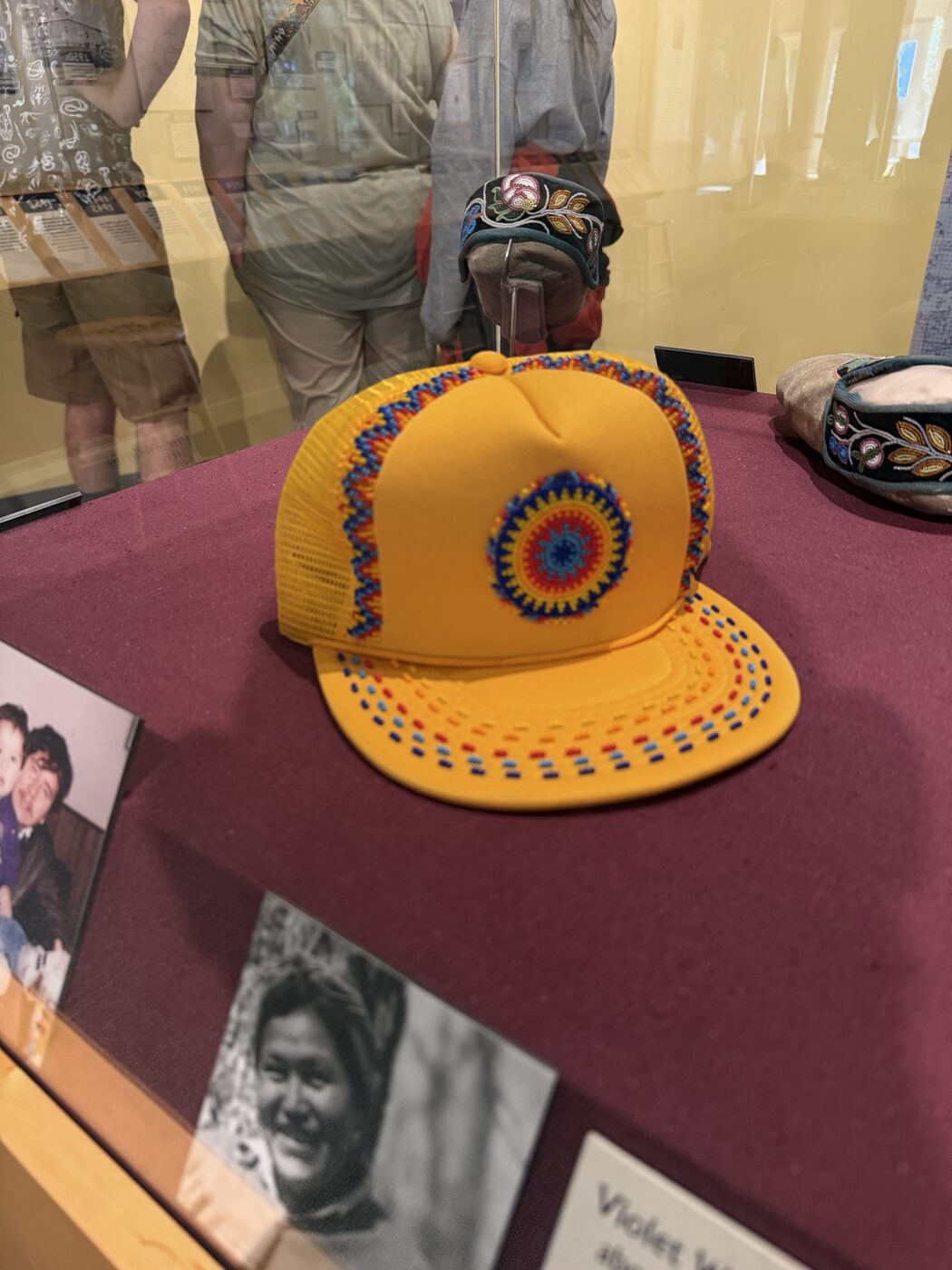
Beadwork on a trucker cap — the old floral art carried onto new cloth.
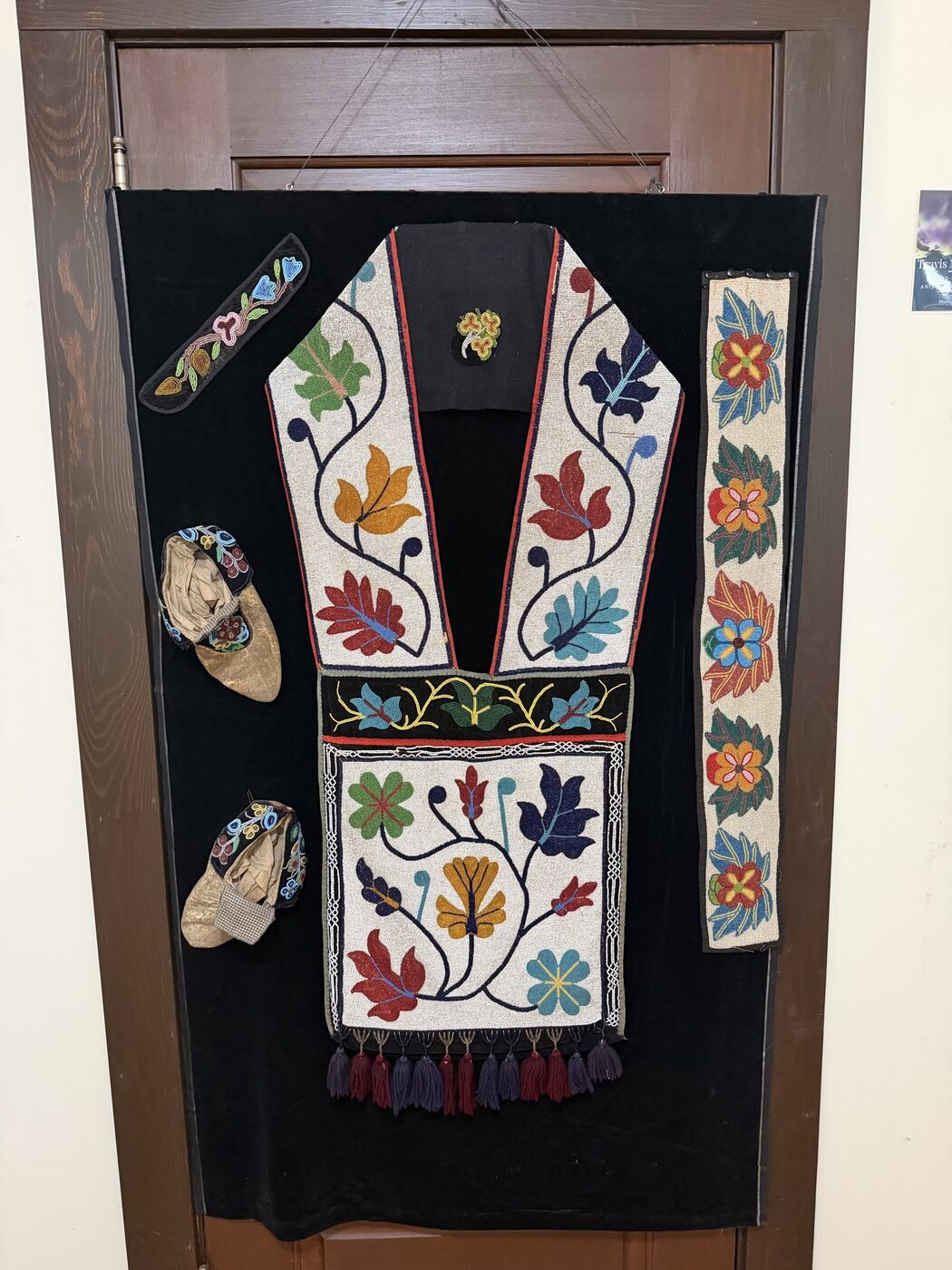
Bandolier bags — floral beadwork, the high art of the Ojibwe.
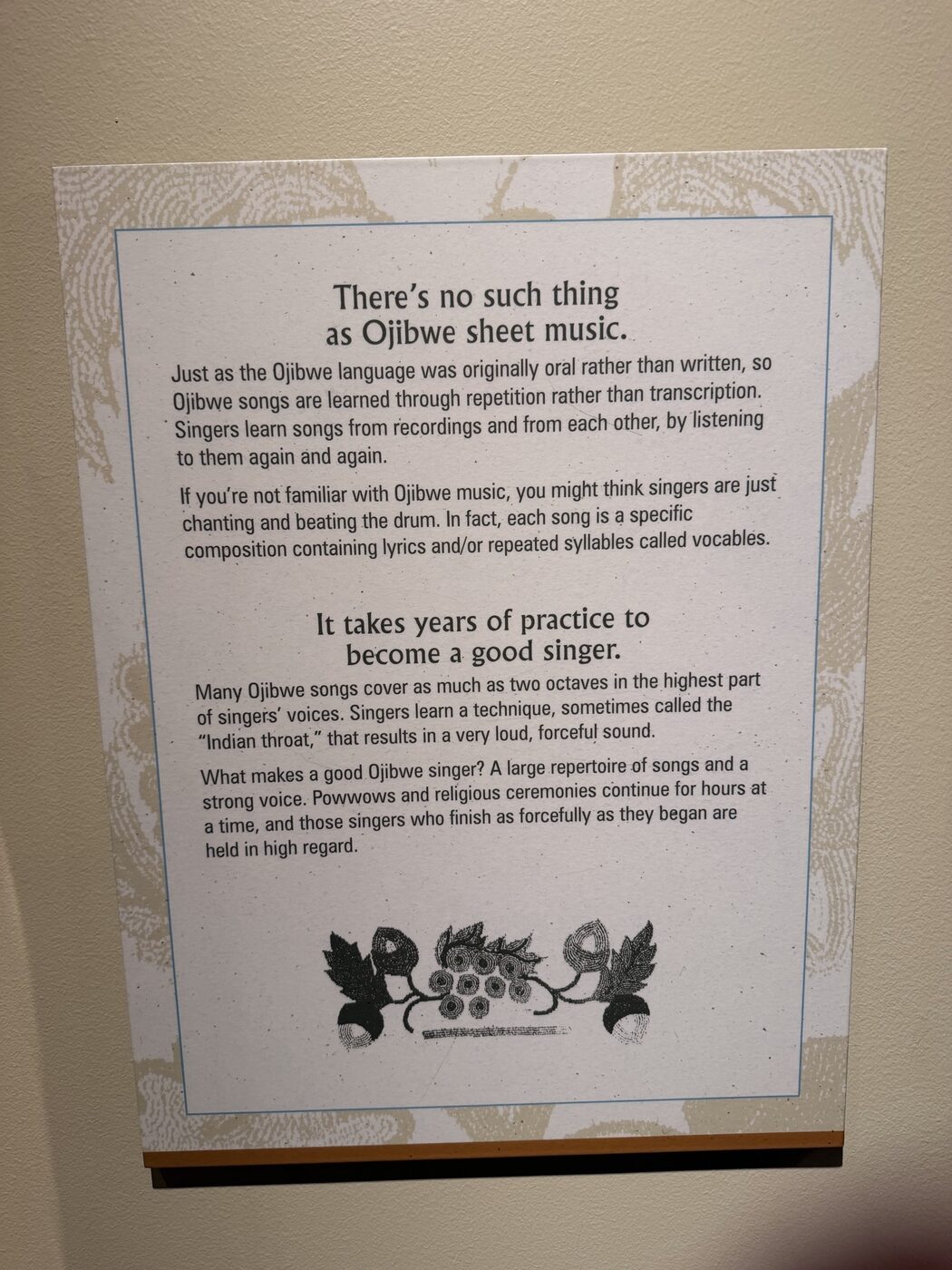
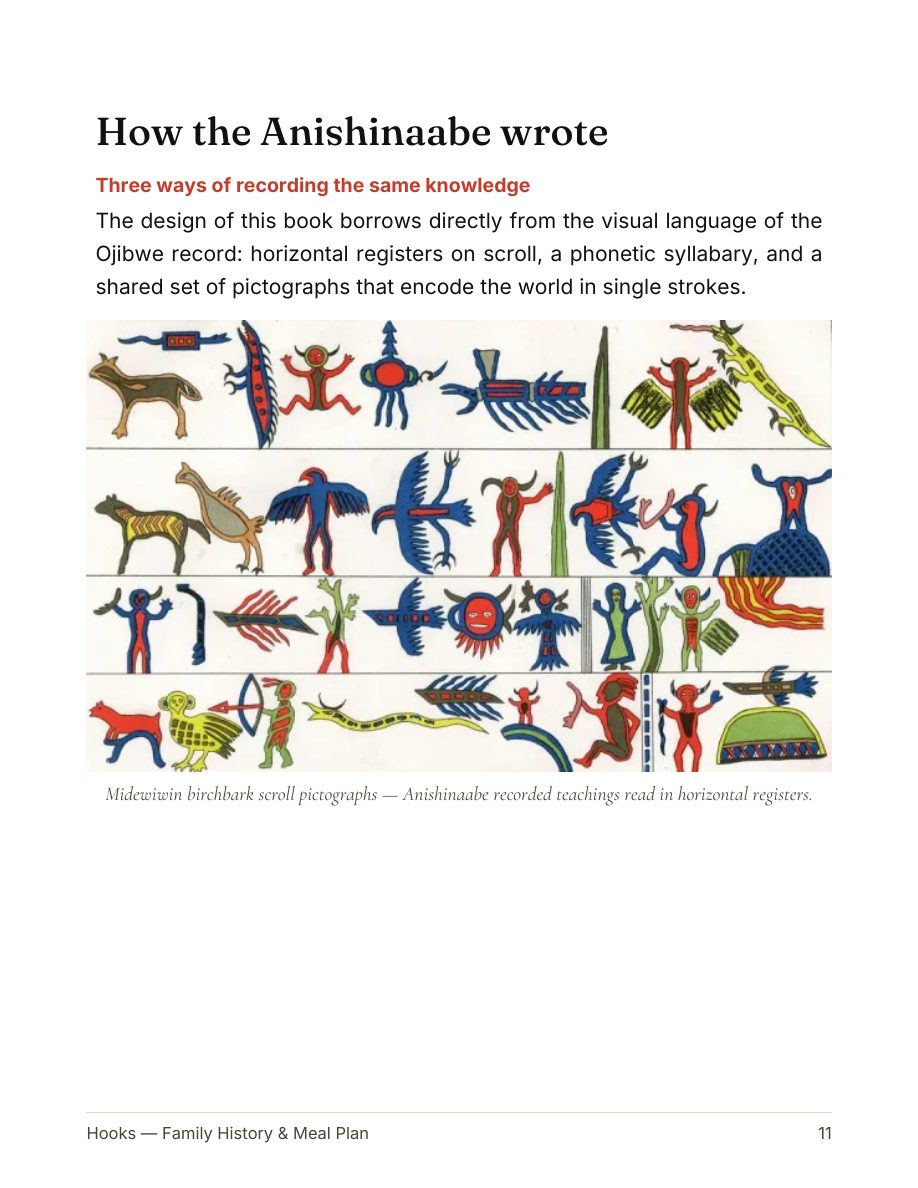
There is no such thing as Ojibwe sheet music — songs learned by ear, held by repetition.
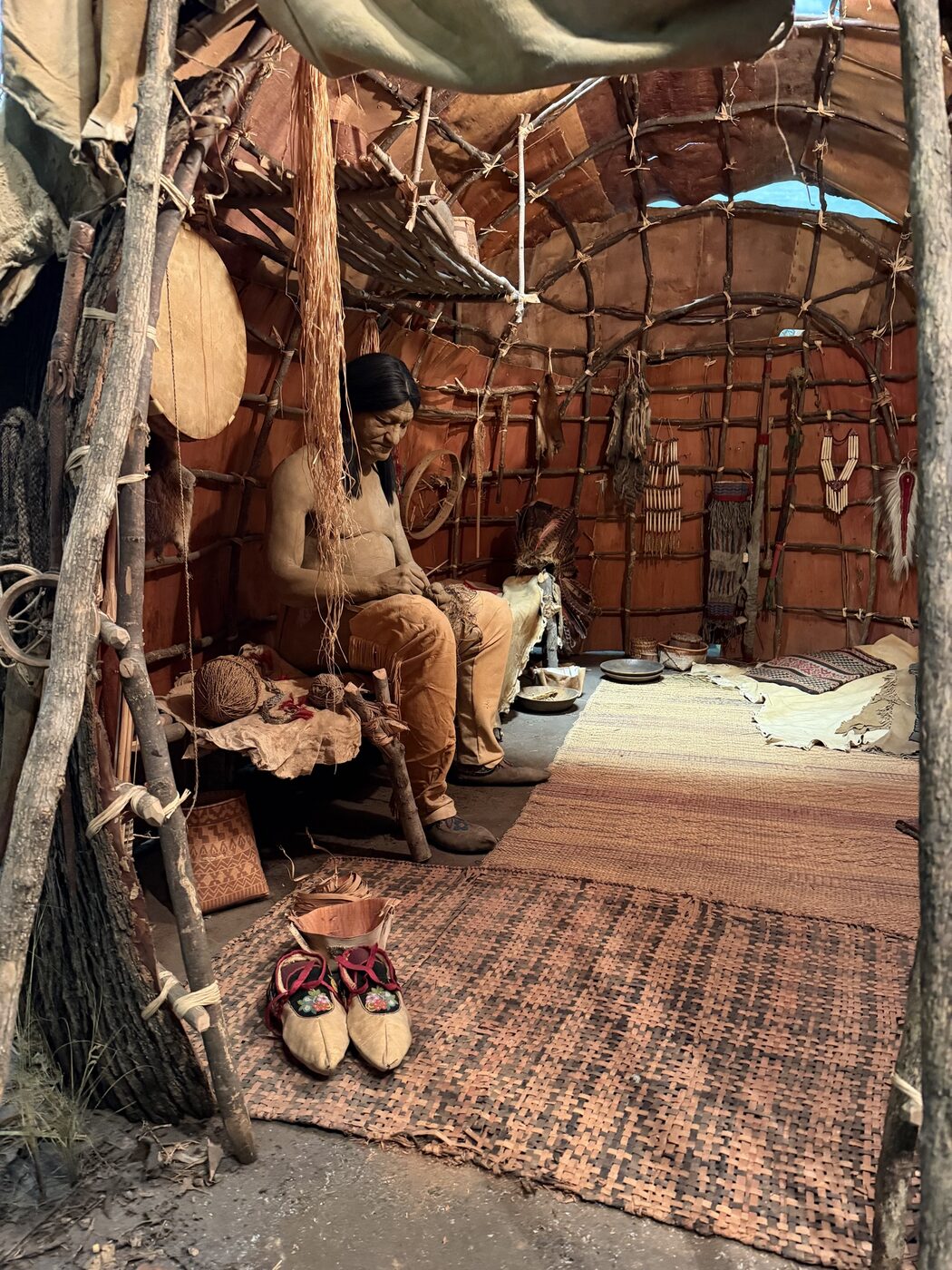
Inside the wigwam — the Four Seasons Room, the heart of the museum.
Movement IV
The Trading Post
Where the Ayers kept gardens and cottages from 1918 on —
and where plant knowledge still sits on the shelf, jarred and bound.
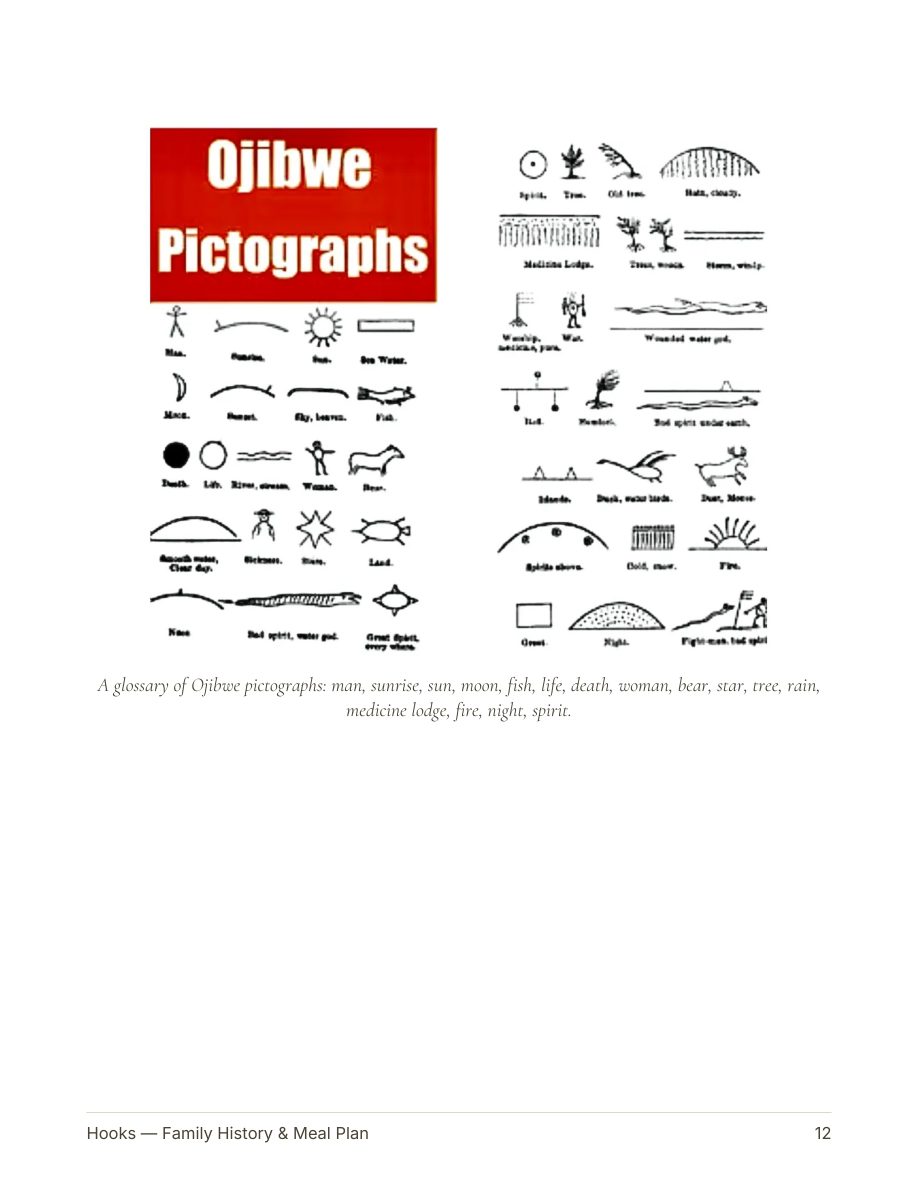
From the volume · Page 12
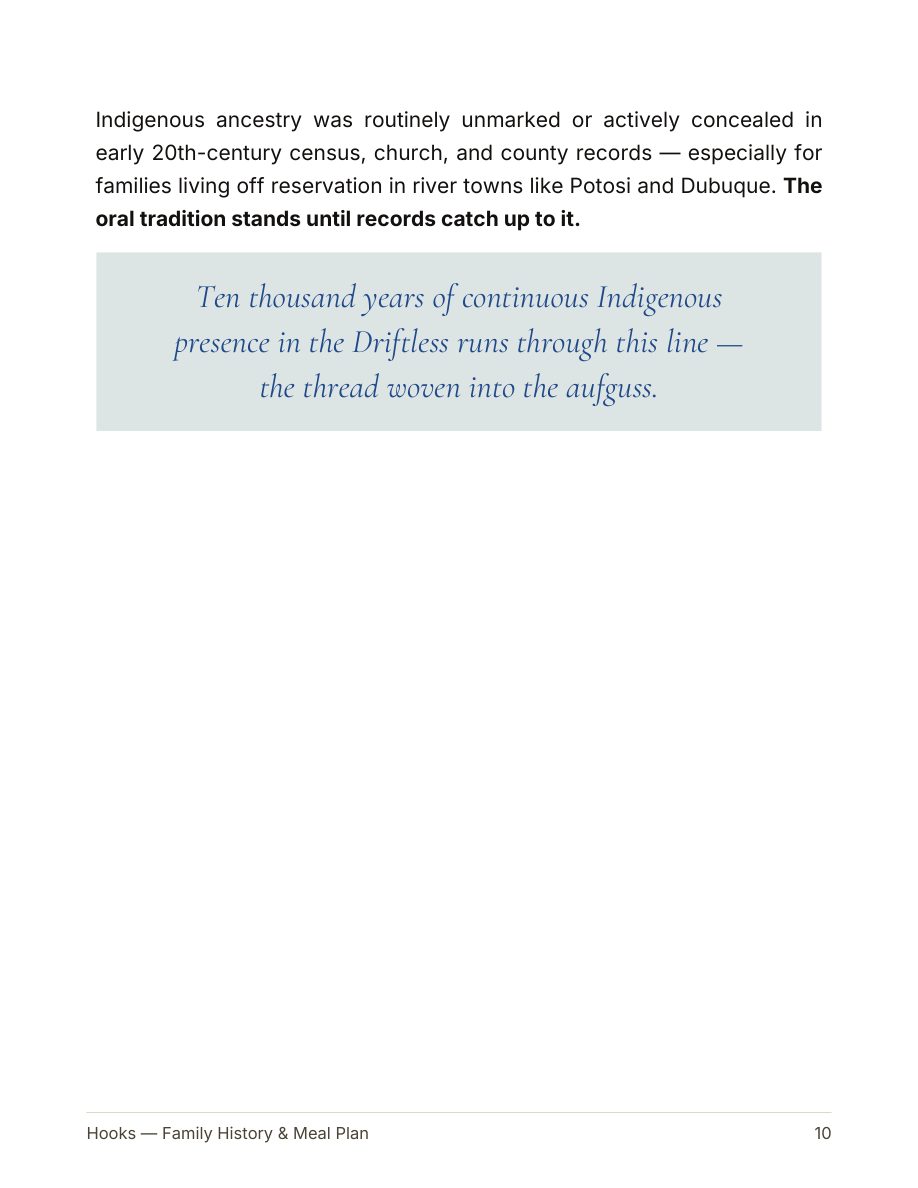
Ojibwe pictographs — writing that never needed paper.
The books on this shelf keep the record going.
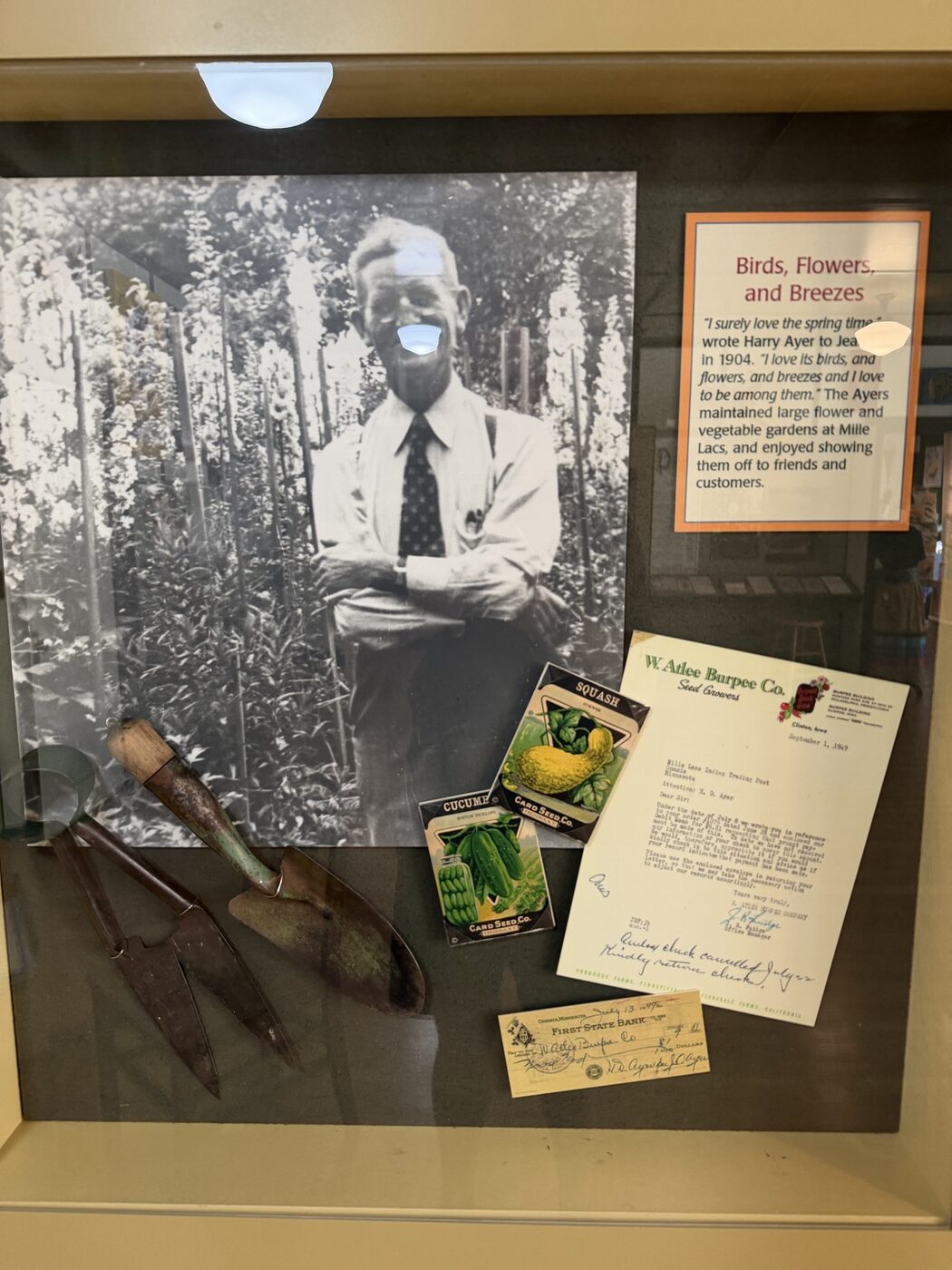
Birds, Flowers, and Breezes — Harry Ayer among the delphiniums, seed packets and trowels below.
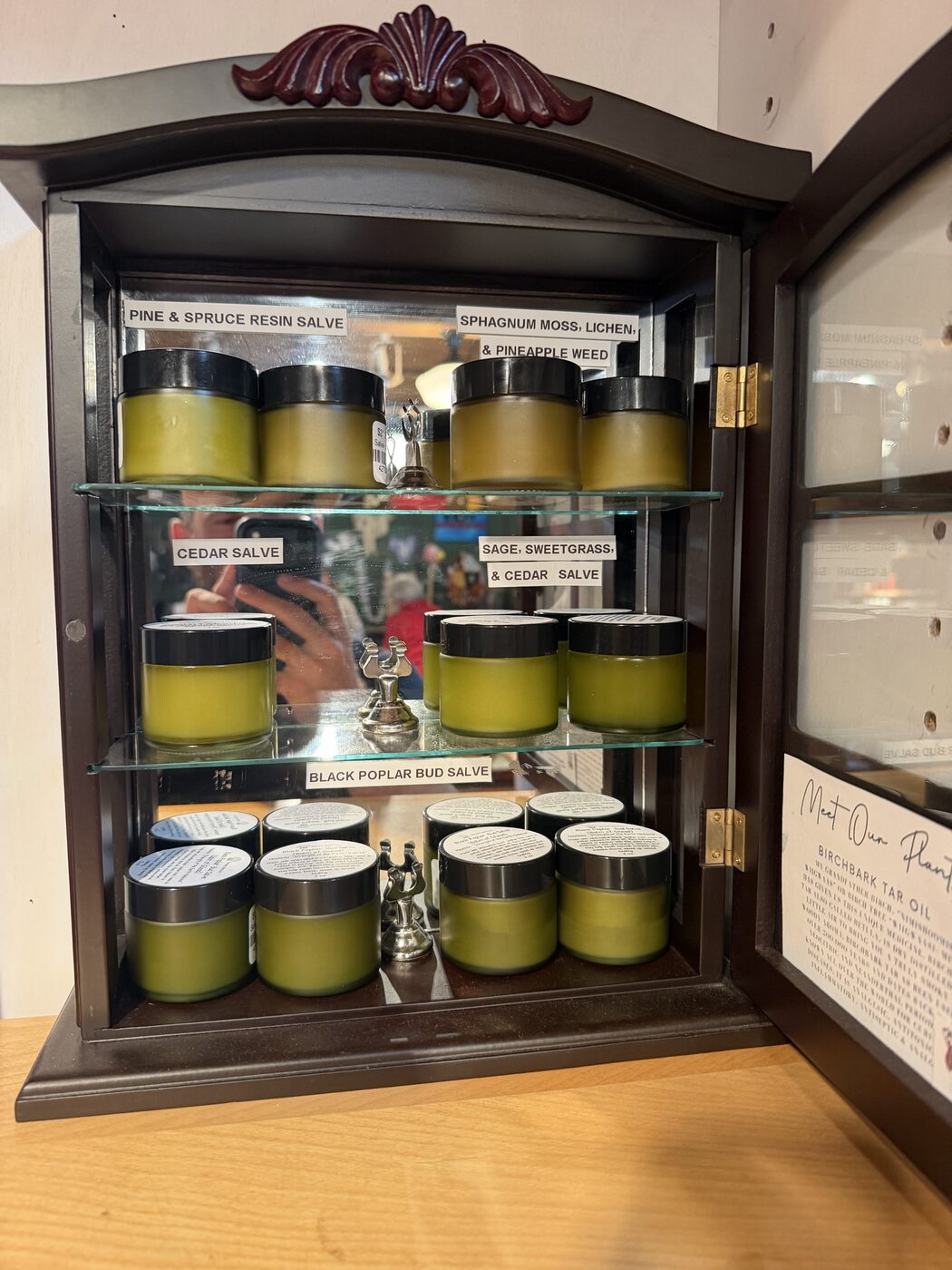
Plant medicine on the shelf — pine and spruce resin, cedar, sage and sweetgrass salves.
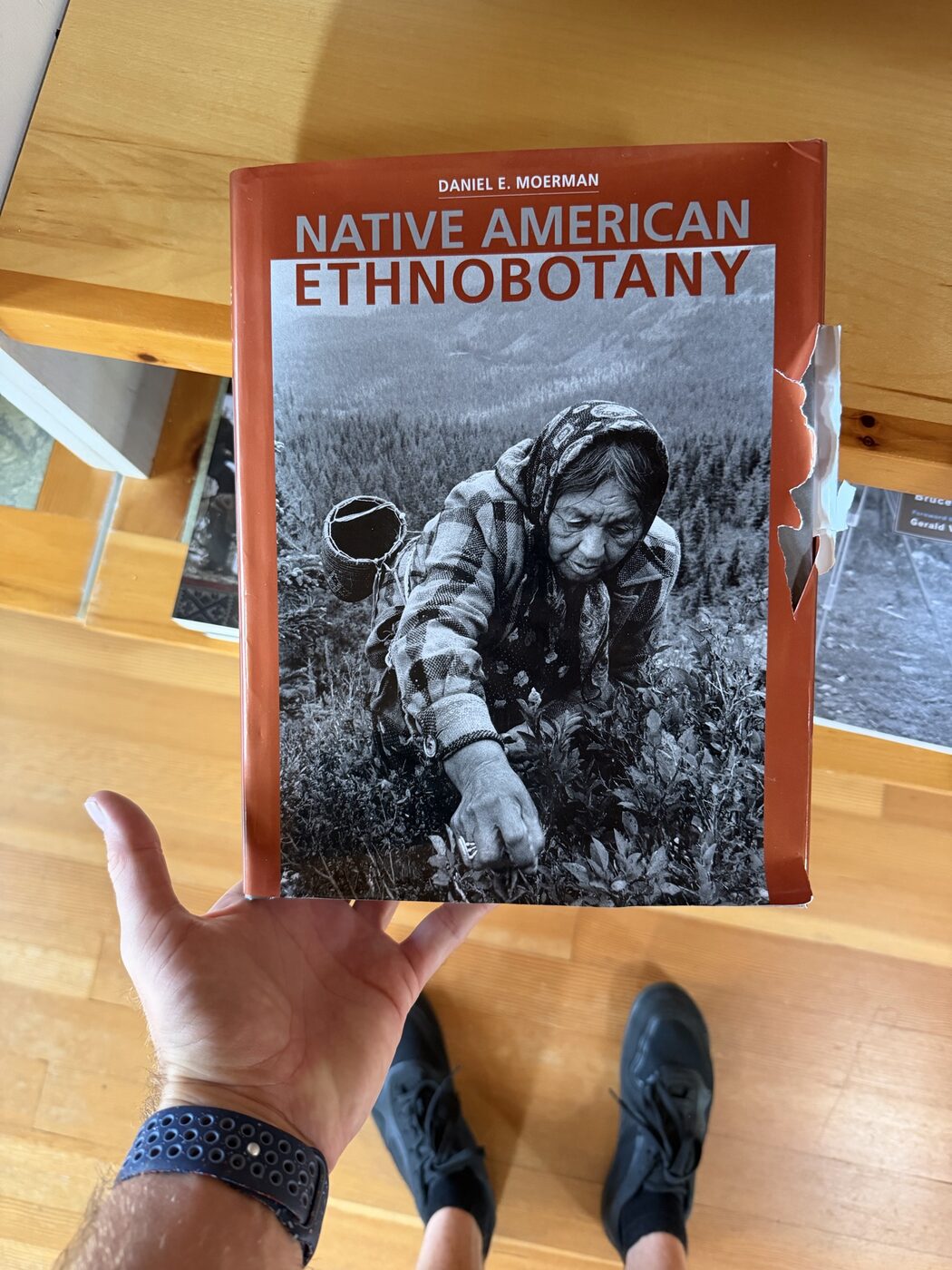
Moerman's Native American Ethnobotany — the catalog behind every plant on this page.
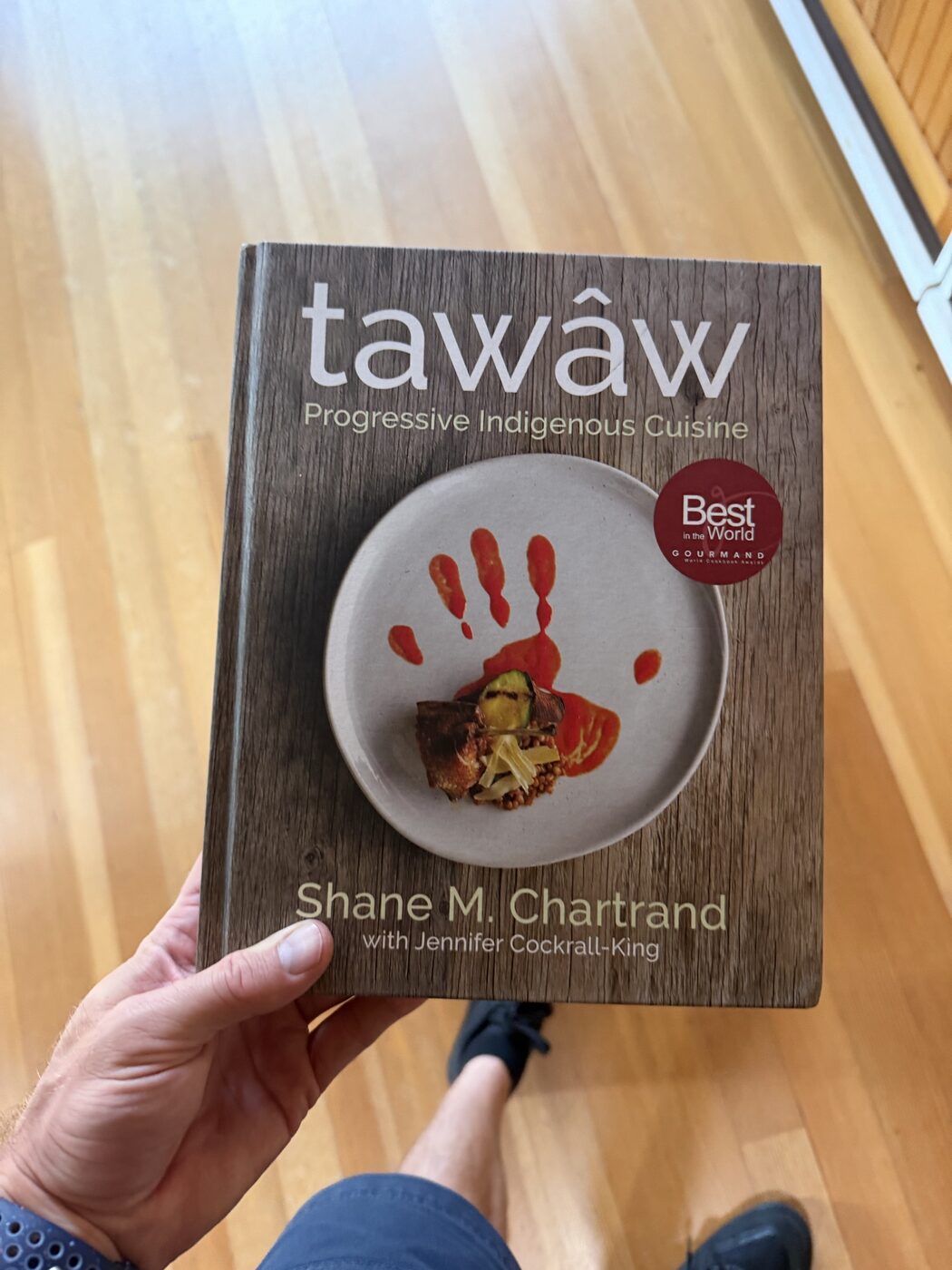
tawâw — progressive Indigenous cuisine. A plate built for the body that carries it.
Movement V
The Bog · Mashkiig
In Ojibwemowin the bog is mashkiig and medicine
is mashkiki — words the elders teach together, because the bog is where
the medicines are gathered. The plants say it plainly: tamarack is
mashkiigwaatig, swamp tree; Labrador tea is mashkiigobag,
swamp leaf; the small cranberry is mashkiigimin, swamp berry.
The wet ground the surveyors wrote off as wasteland was the pharmacy all along.
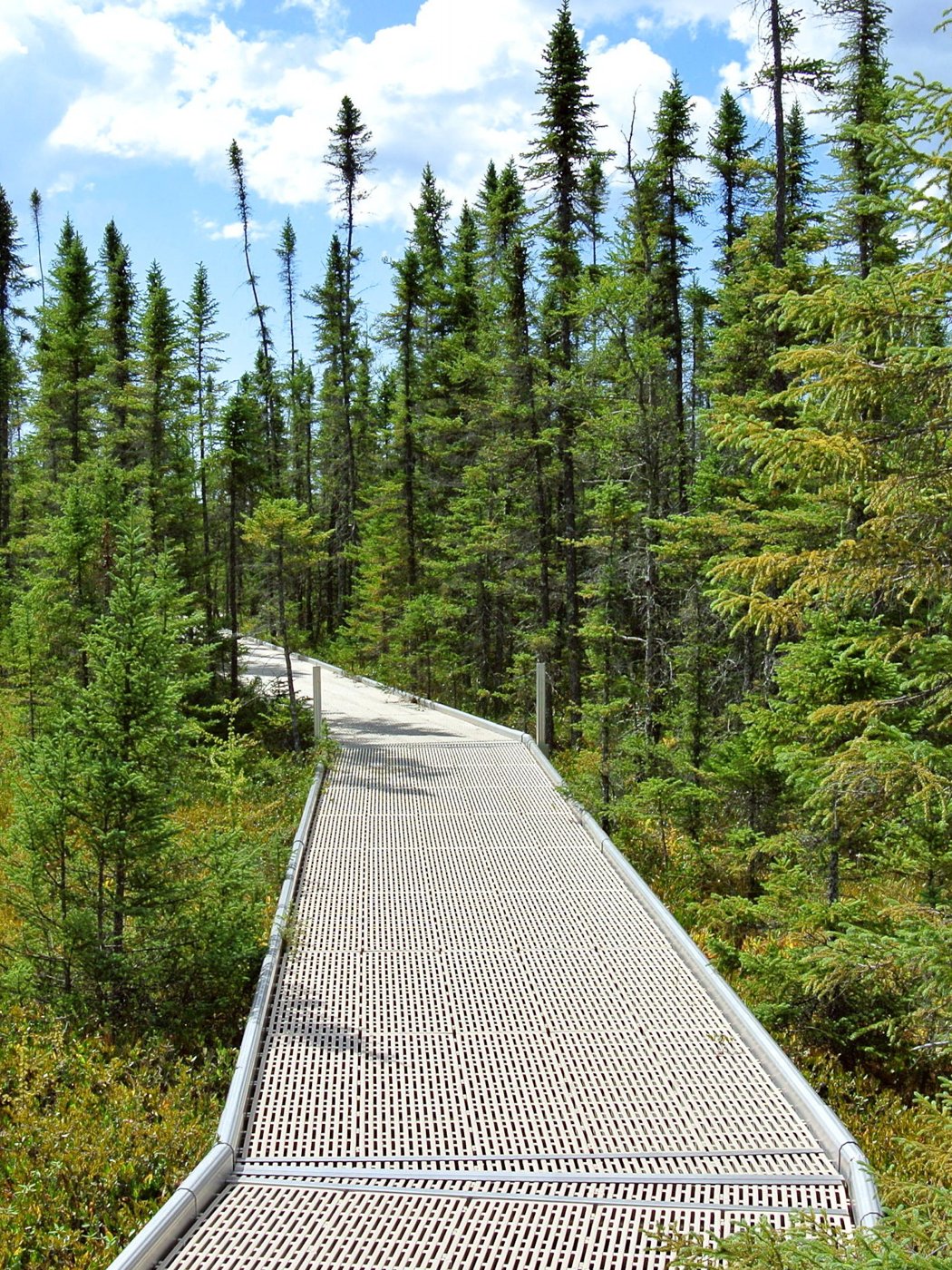
Mashkiig · the bog — the boardwalk at Big Bog, Waskish, a mile into the muskeg, built so the sphagnum is never walked on.
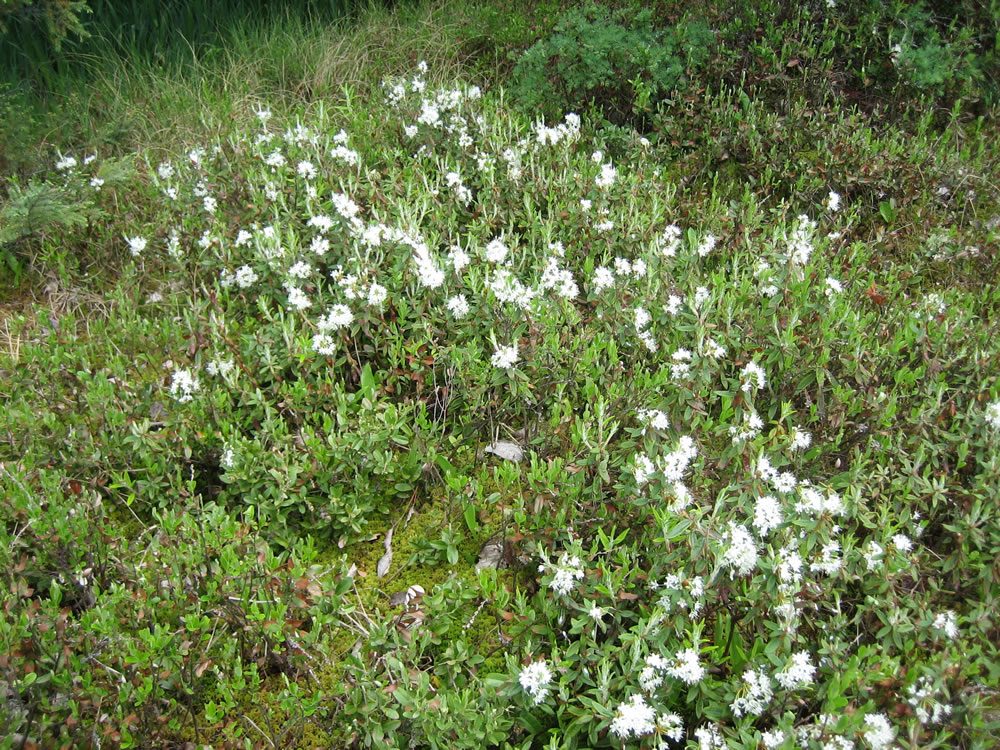
Mashkiigobag · Labrador tea — swamp leaf, flowering over the moss. Flambeau families steeped the tender leaves as a tea and ate the leaves with it — a medicine known across the whole north.
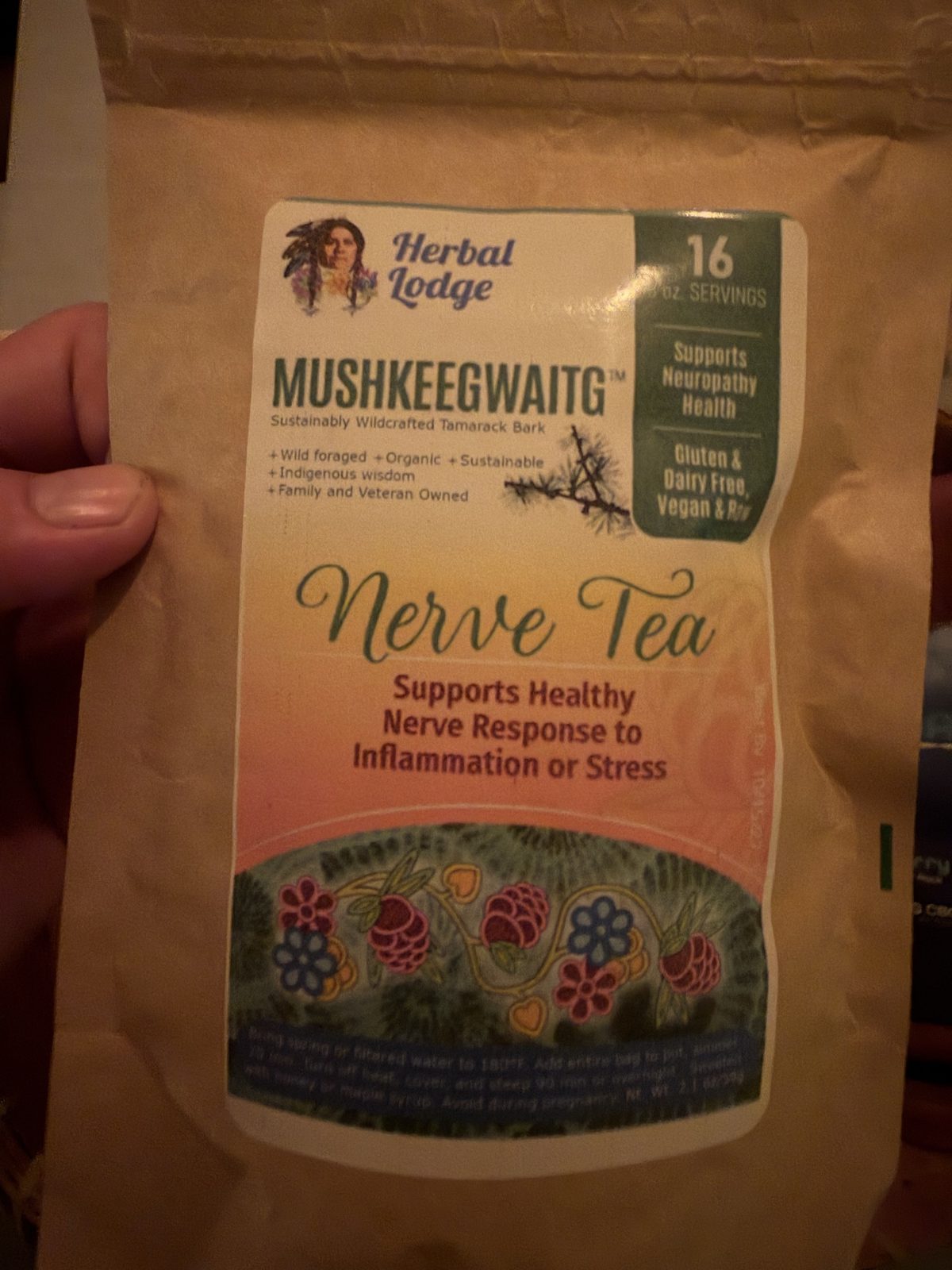
Mashkiigwaatig · tamarack — swamp tree. Its bark came home from Garrison and steeped overnight on the kitchen counter — larch bark, long valued for stubborn coughs and bronchitis. The bog, poured into a cup. August 2026.
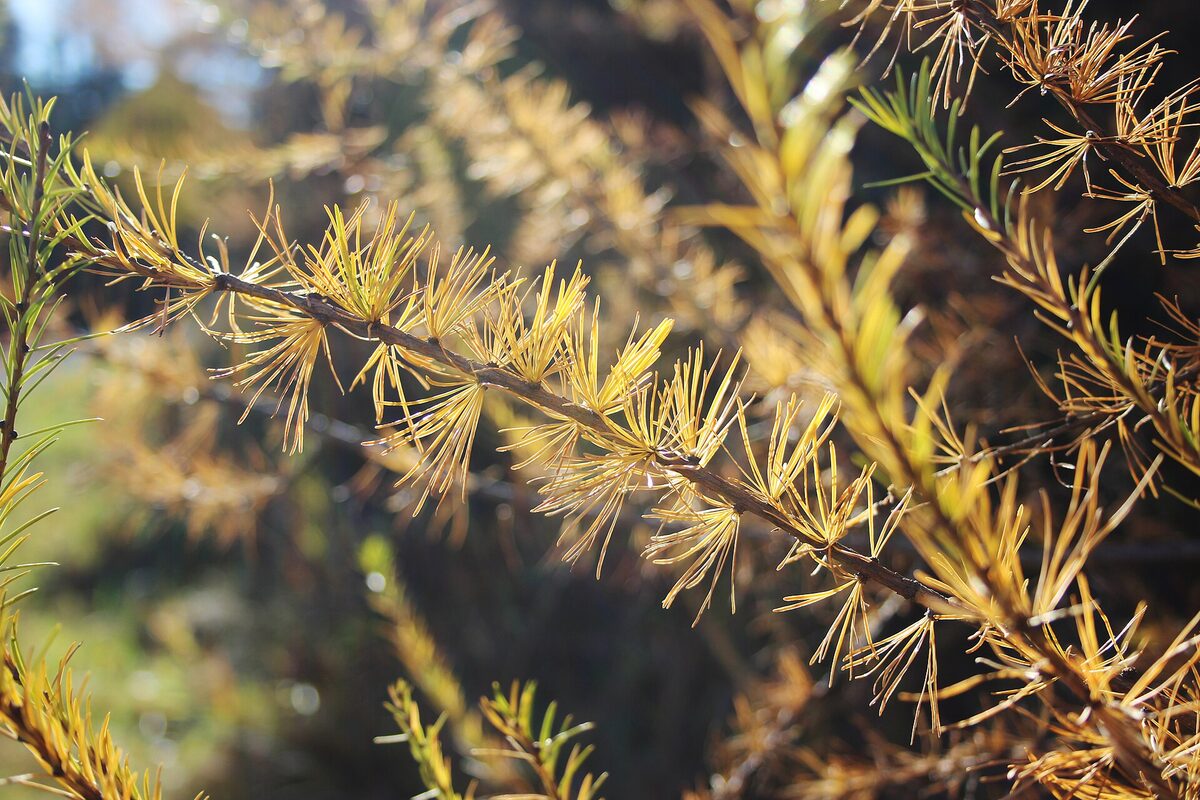
Mashkiigwaatig · tamarack — the swamp tree itself, gold in the fall. Its dried needles were burned as nokwesikun — an inhalant, breathed for healing — and its roots sewed the canoes and wove bags that outlasted everything else.
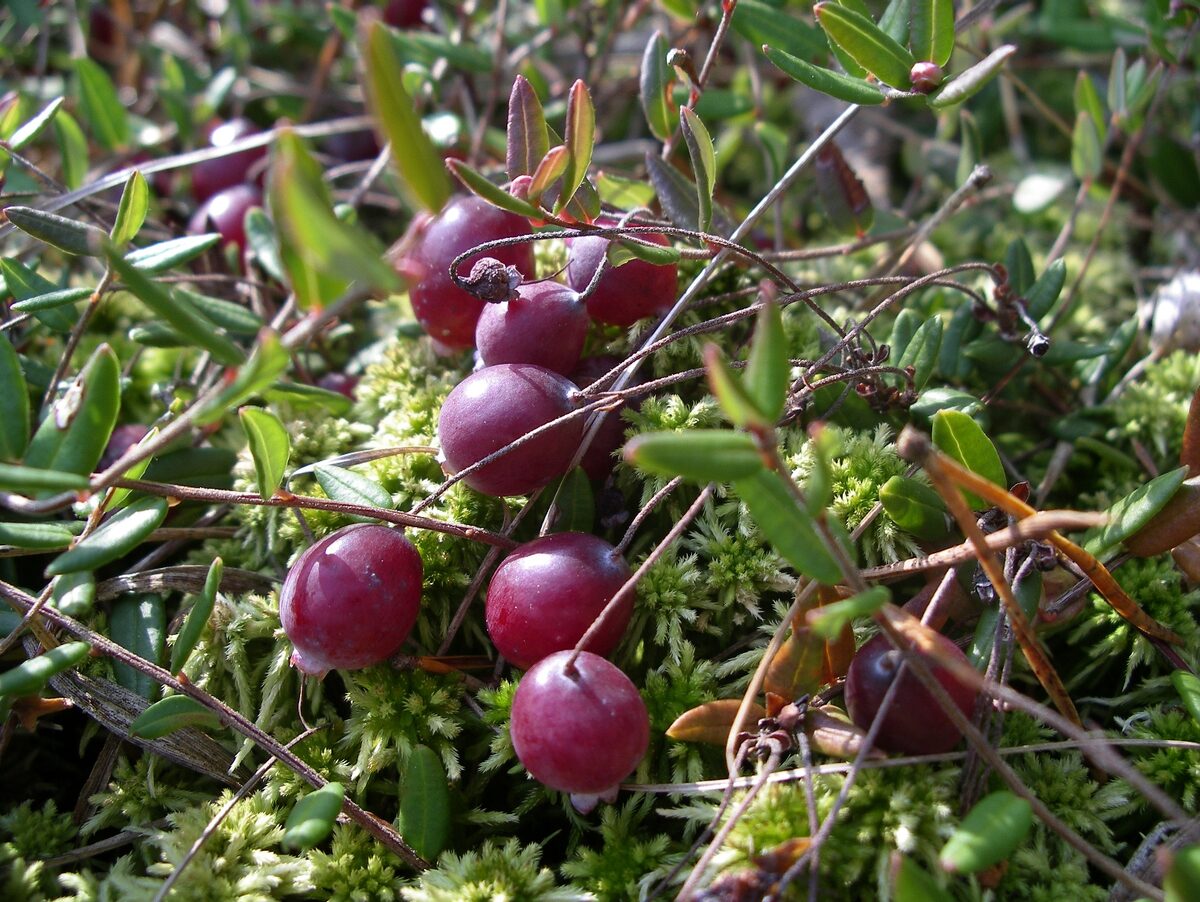
Mashkiigimin · small cranberry — swamp berry, trailing on threads across the sphagnum. Picked as the nights turn cold — food through the winter, and a medicine taken for nausea.
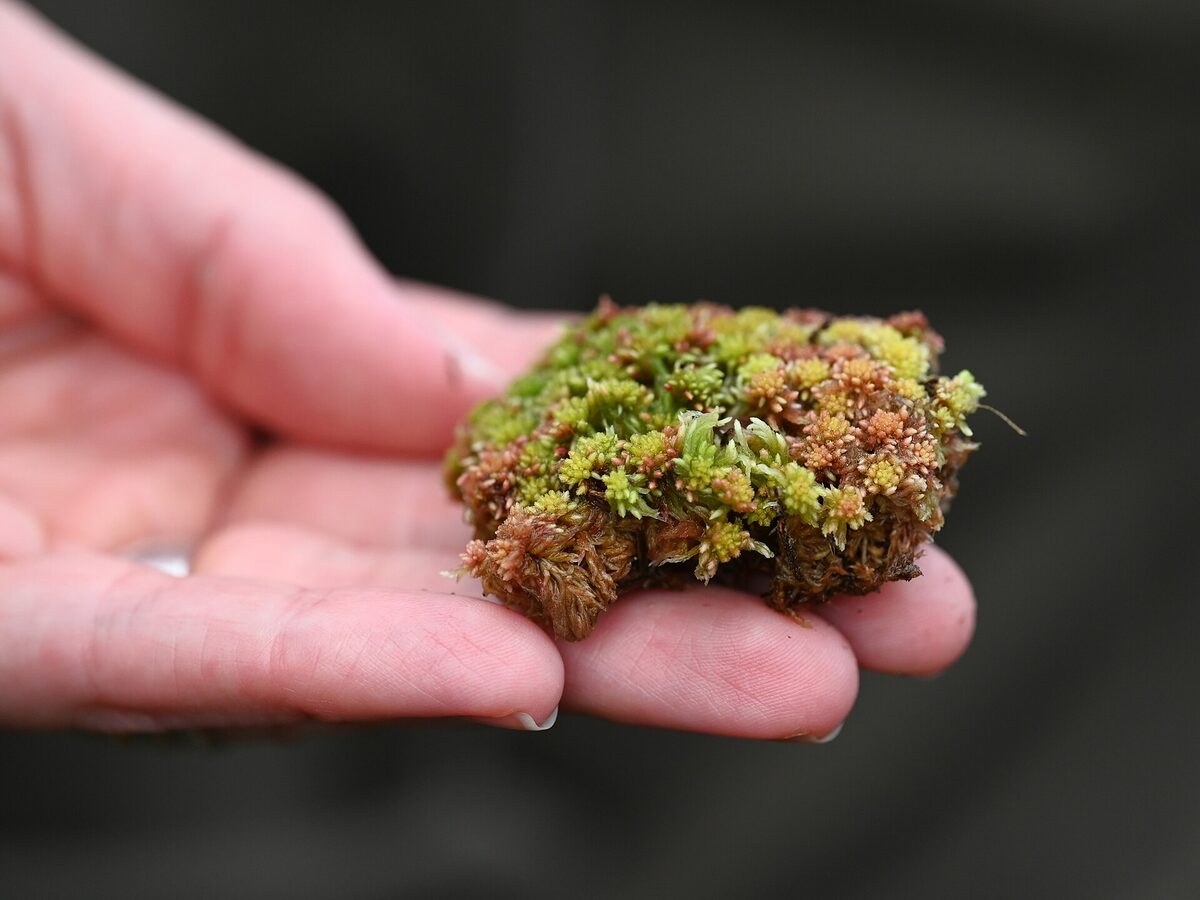
Mashkiigokamig · sphagnum moss — the moss itself, held in the hand. Gathered and dried it made mattresses, and lined the cradleboard and the moss bag — soft, clean, absorbent. The bog carried the babies first.
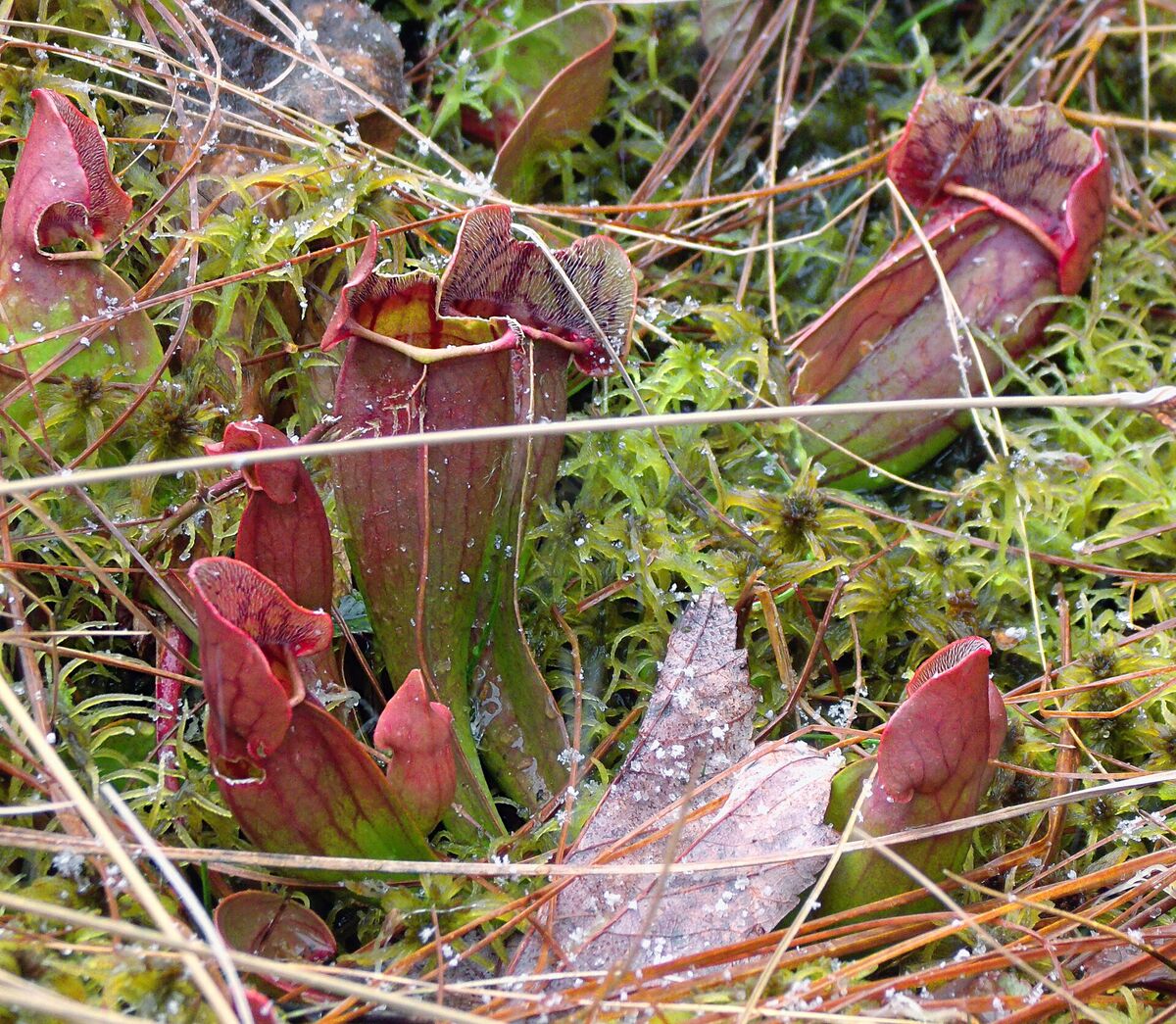
Omakakiiwidaasan · pitcher plant — frog leggings, red-veined and holding rain. Bearskin, a Flambeau medicine man, told Huron Smith its root steeped a tea drunk by women to ease childbirth — one of the bog's women's medicines.
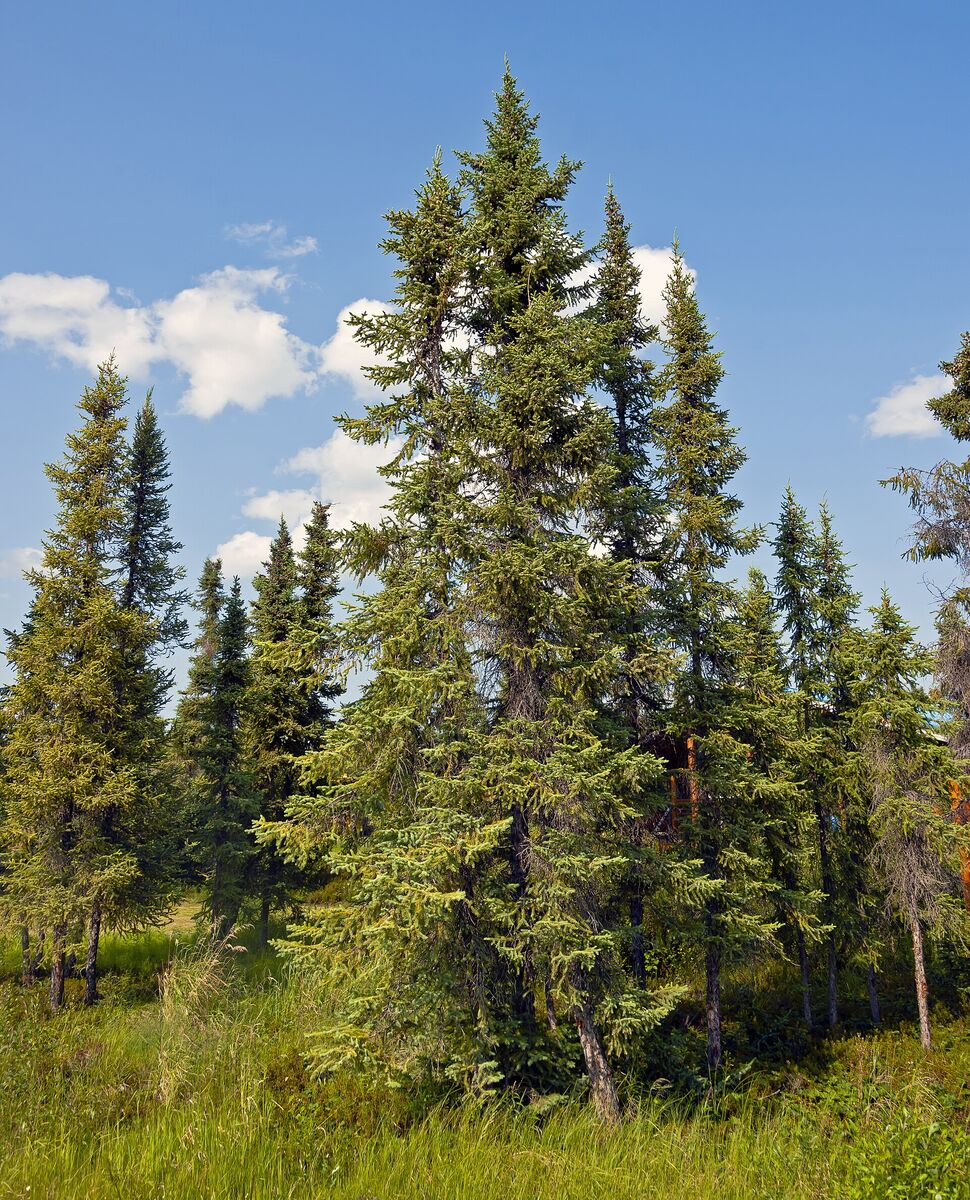
Zesegaandag · black spruce — the bog's other tree, narrow and patient on the wet ground. Its leaves were a reviver, its bark a medicinal salt, and its resin was boiled with tallow into the pitch that sealed the canoes.
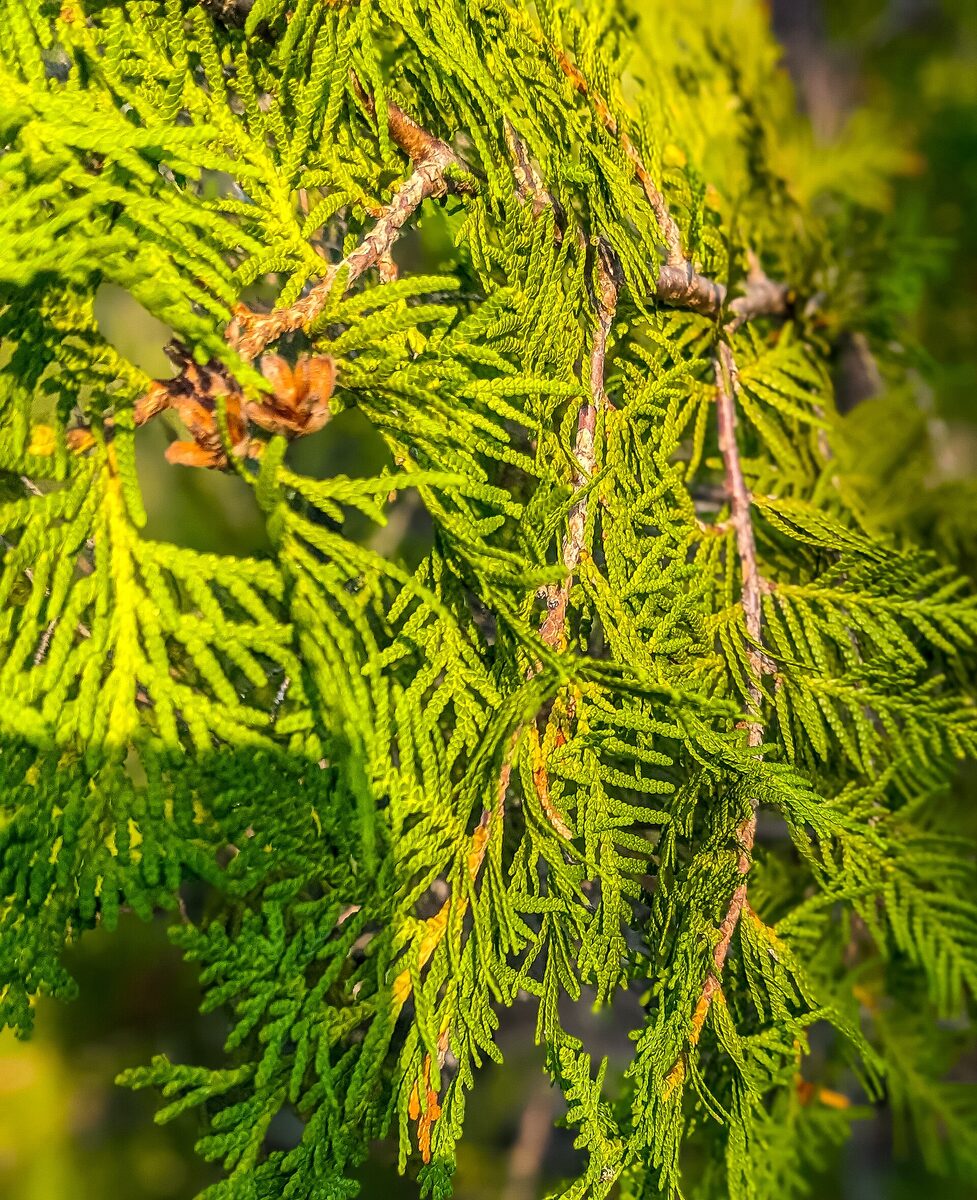
Giizhik · white cedar — one of the four sacred medicines. Its leaves steeped as a tea for headache, burned over live coals to purify the medicine lodge, and folded into the sweat bath — the tree the Ojibwe counted among the most useful in the forest.
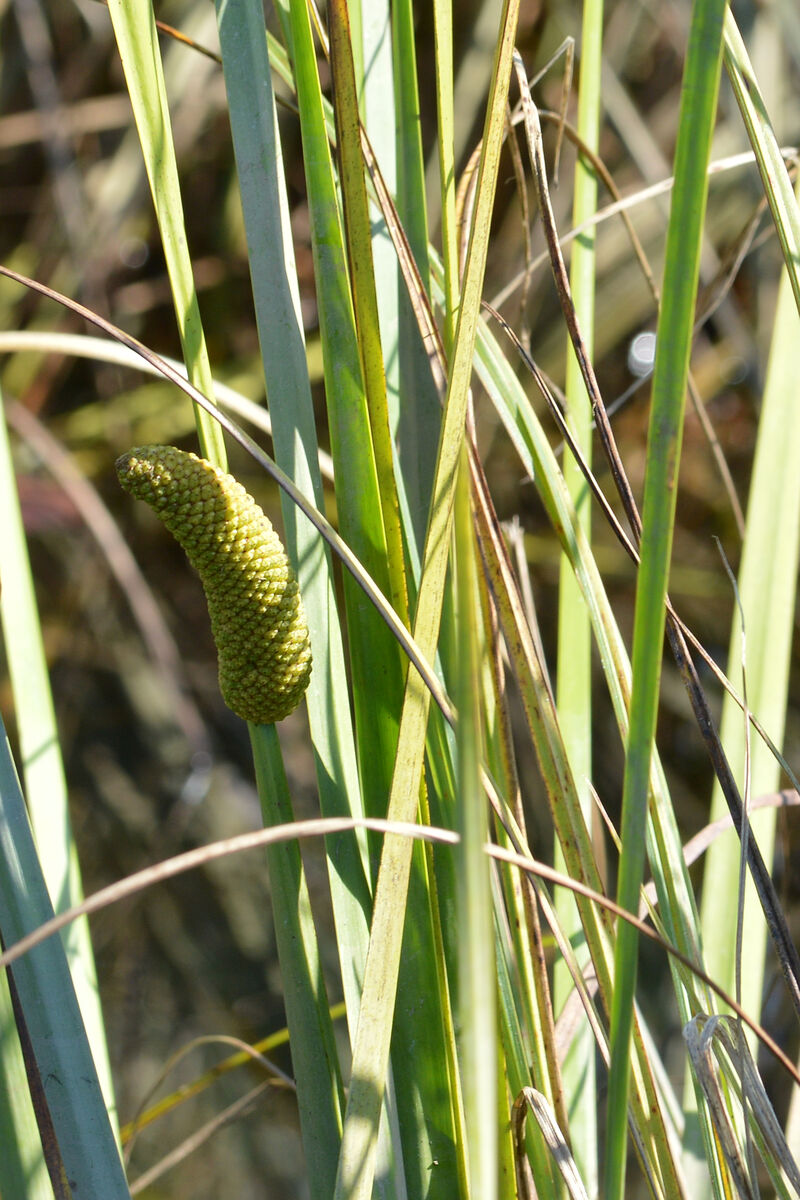
Wiikenh · sweet flag — the marsh root Densmore's informants held above the rest: steeped for coughs and lung trouble, for toothache, and as a physic — a medicine so strong it was dosed by the length of the patient's index finger.
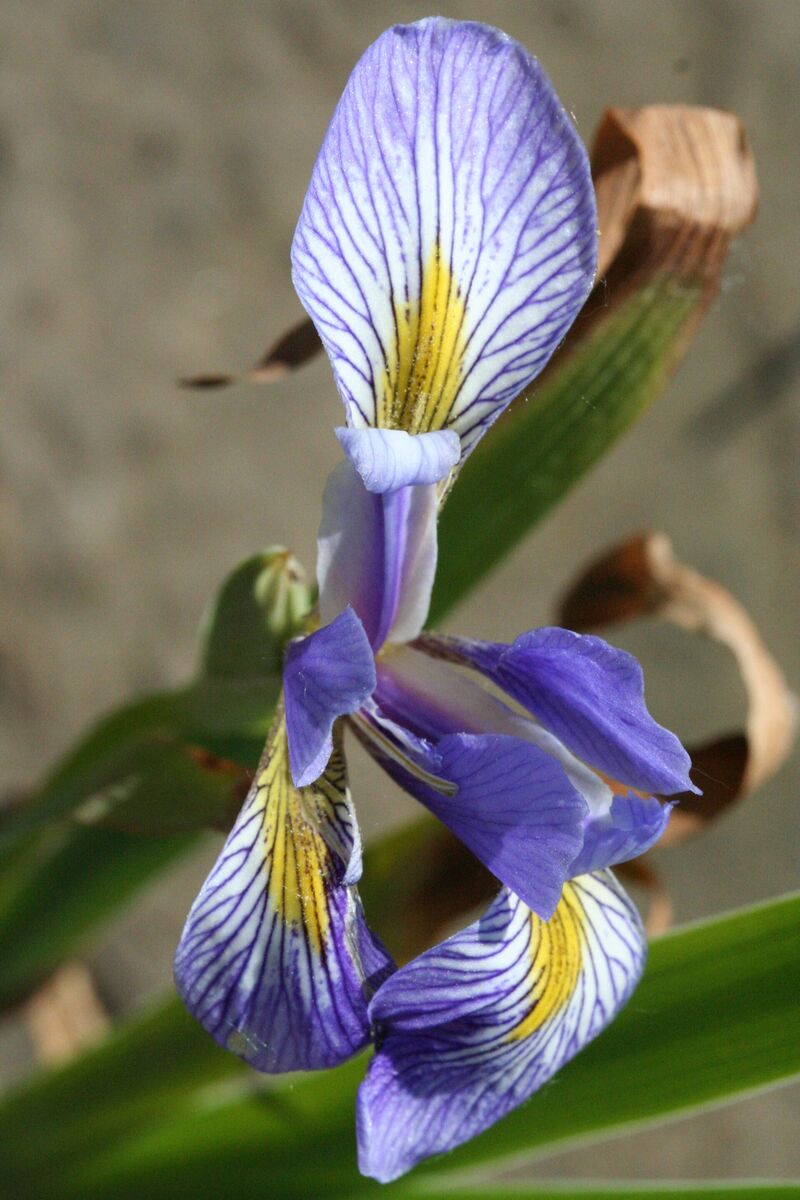
Nabagashk · blue flag — the wild iris of the wet edge. Densmore recorded its root as a poultice said to take a swelling down in a day — strong medicine, kept external — and a piece carried in the clothes was a charm against snakes.
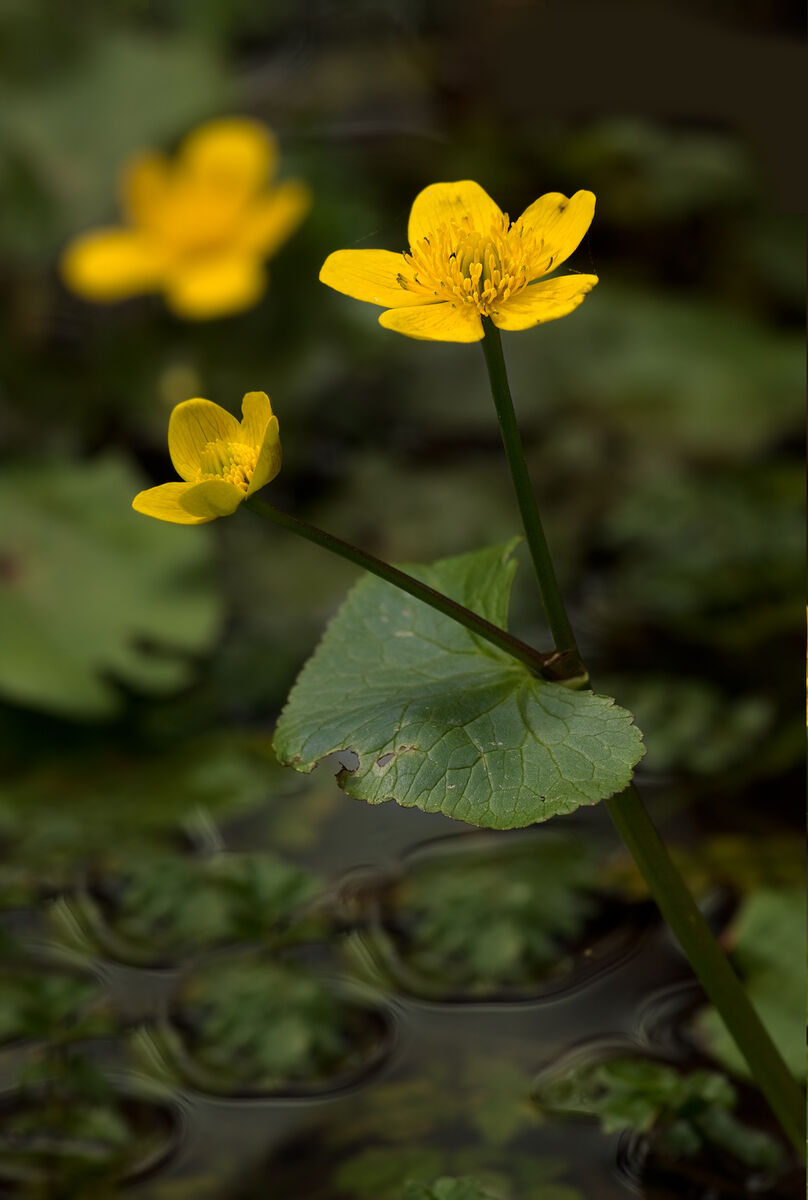
Ogitebag · marsh marigold — gold on the wet ground in spring. Densmore recorded its root for scrofula, and Flambeau families cooked the young greens with pork — always cooked, never raw.
The harvest had its protocol. Densmore recorded it as an unfailing
custom — before a root was taken, a small hole was dug beside the plant
and tobacco placed in it, the gatherer speaking to the plant all the while.
Gagewin gave her the words: “You were allowed to grow here for the benefit
of mankind, and I give you this tobacco to remind you of this, so that you
will do the best you can for me.” Medicines were gathered in late summer
and early fall, when the plants stood fully developed — journeys made to
the soils where each one grew. Mostly the root was taken, bark only as it
was needed — the living bog was the storehouse. The park naturalists say
a footprint here lasts hundreds of years. The old harvest never needed
the warning — asemaa down first, take what is needed, leave the pharmacy
standing.
Movement VI
The Old Camps · Gabeshiwin
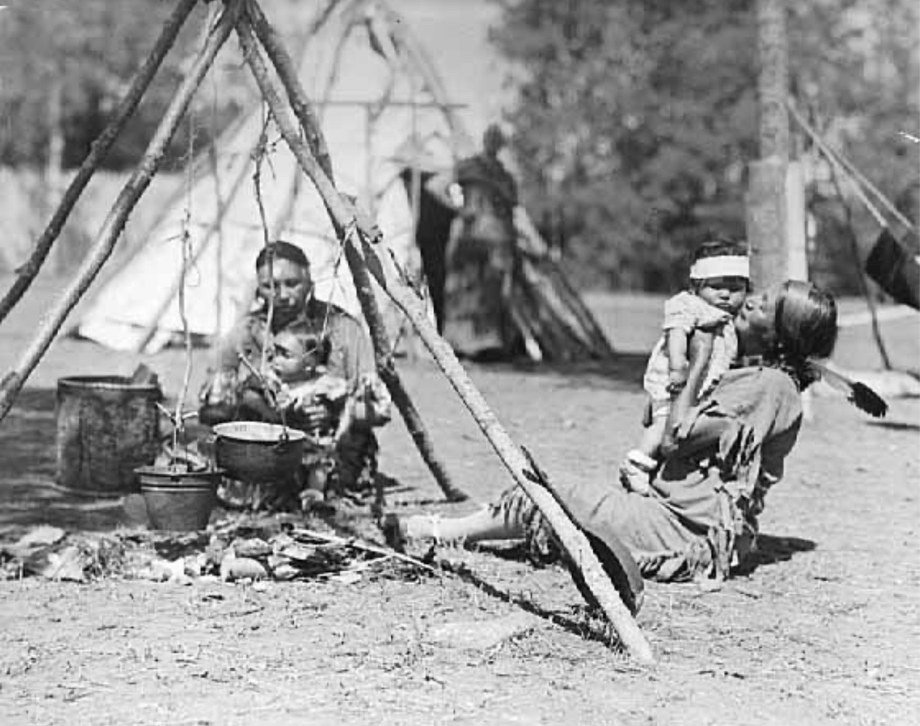
Before the museum kept the record, the camera did.
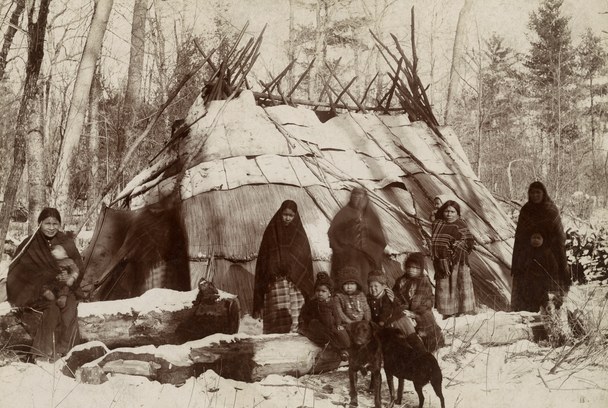
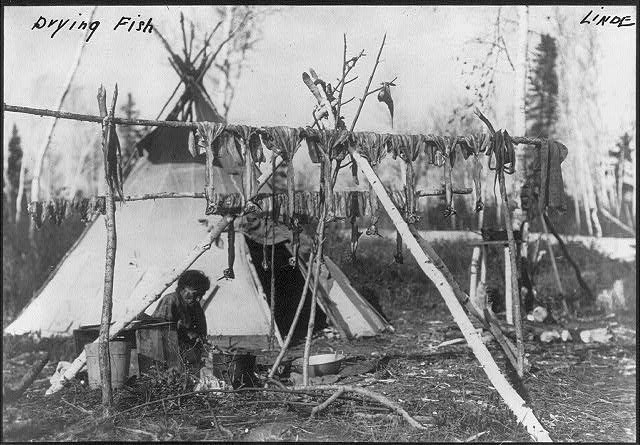
Three plates from the archives — a winter lodge on the St. Croix,
a fish camp in the Lake of the Woods country, a camp fire at Itasca —
the daily work of the seasons, photographed a century and more ago.
The fire in the last plate is the fire the next movement returns to.
Waaginogaan · the domed lodge — a camp on the St. Croix in winter, about 1885. Bark sheets over a bent-sapling frame, the families in blankets at the door, the dogs out front. Photograph by Sanford C. Sargent.
Giigoonh · fish — the drying rack at a Lake of the Woods camp, 1913, the catch split and hung over the poles. Densmore recorded the method: dried hard over a slow fire or strung in the sun, then packed away in layers without salt. Photograph by Carl Gustav Linde.
Akik · the kettle — the camp fire at the Chippewa village, Itasca State Park, July 1926, one hundred years before this page. The Historical Society kept the names with the print: Agnes Marshall, Maggie Rock, Raymond Rock.
Movement VII
The Fire · Ishkode
The shore of Misi-zaaga'igan, August 2026.
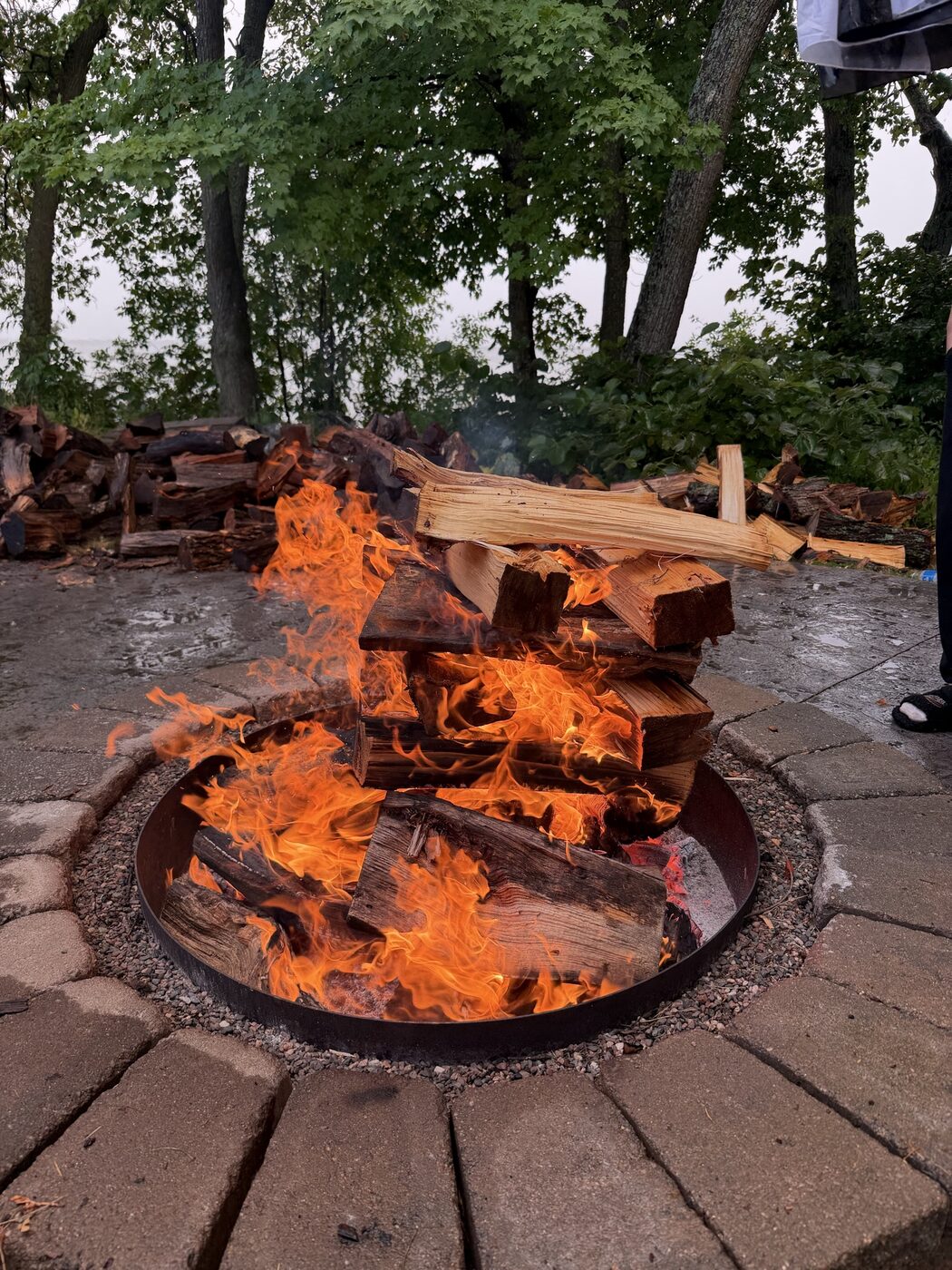
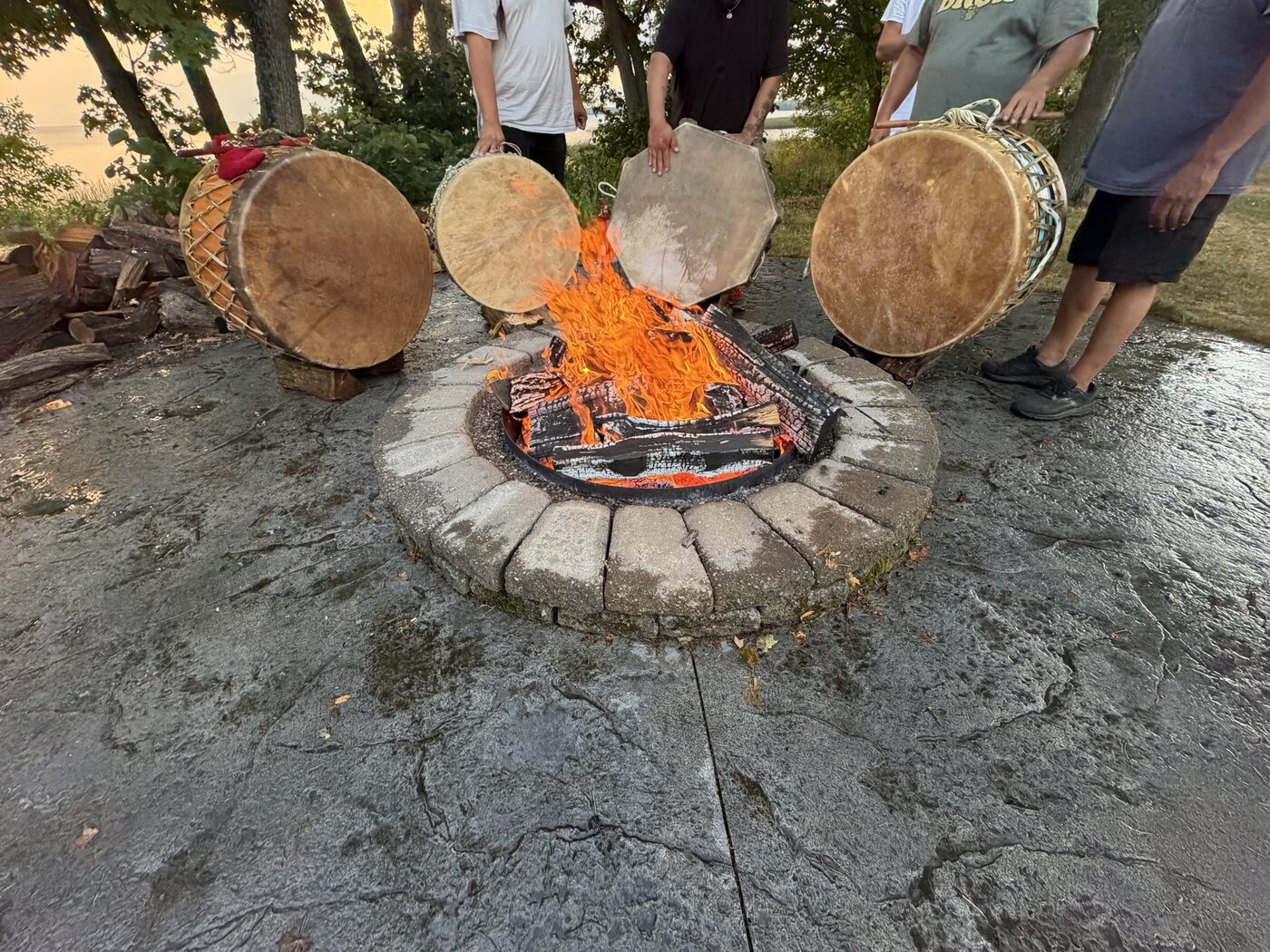
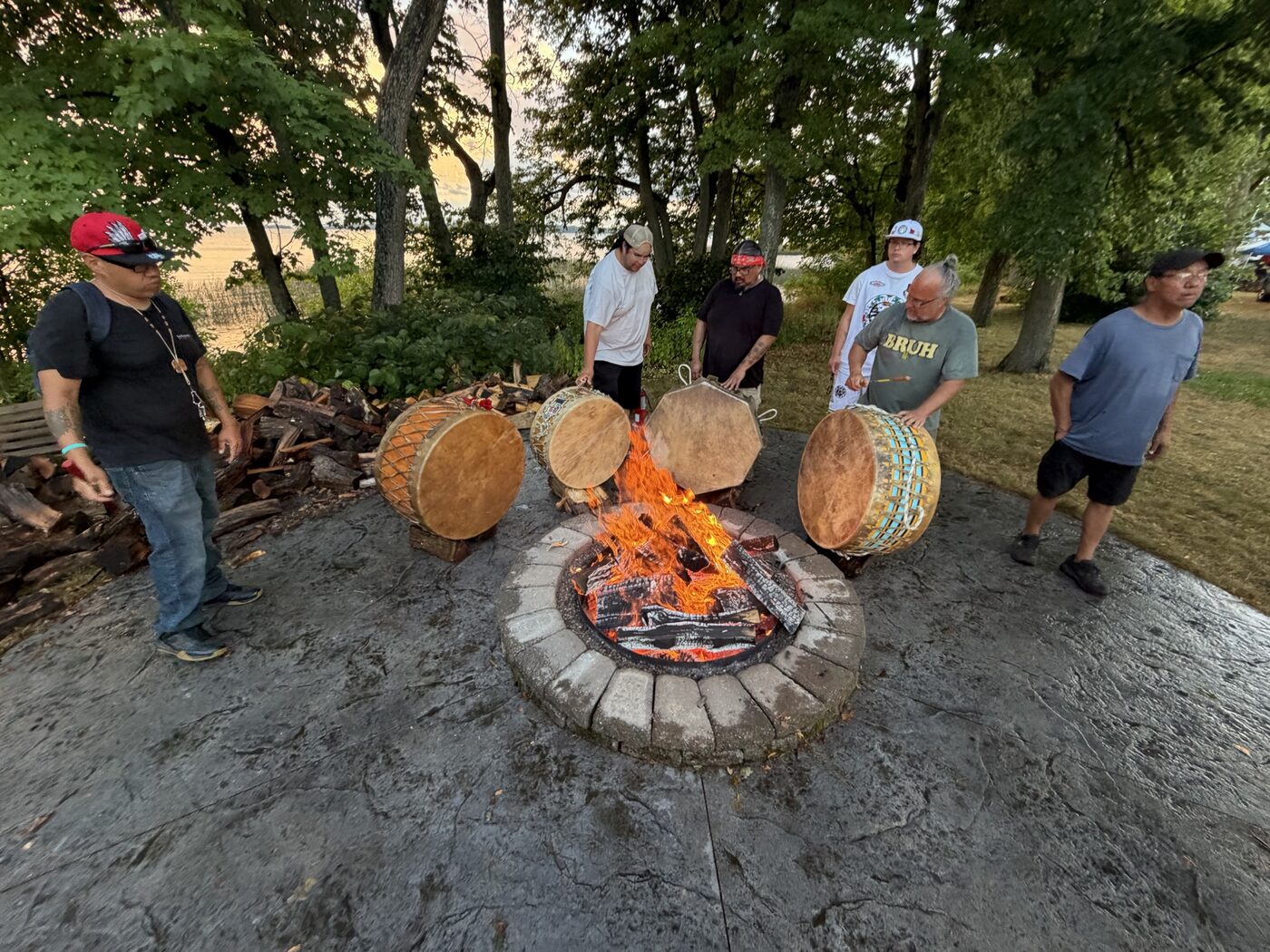
Not an exhibit this time — a working fire, four drums,
and the night the whole chapter was walking toward.
Ishkode — the fire on the shore, oak split and stacked behind it. This is the work: build it, feed it, keep it.
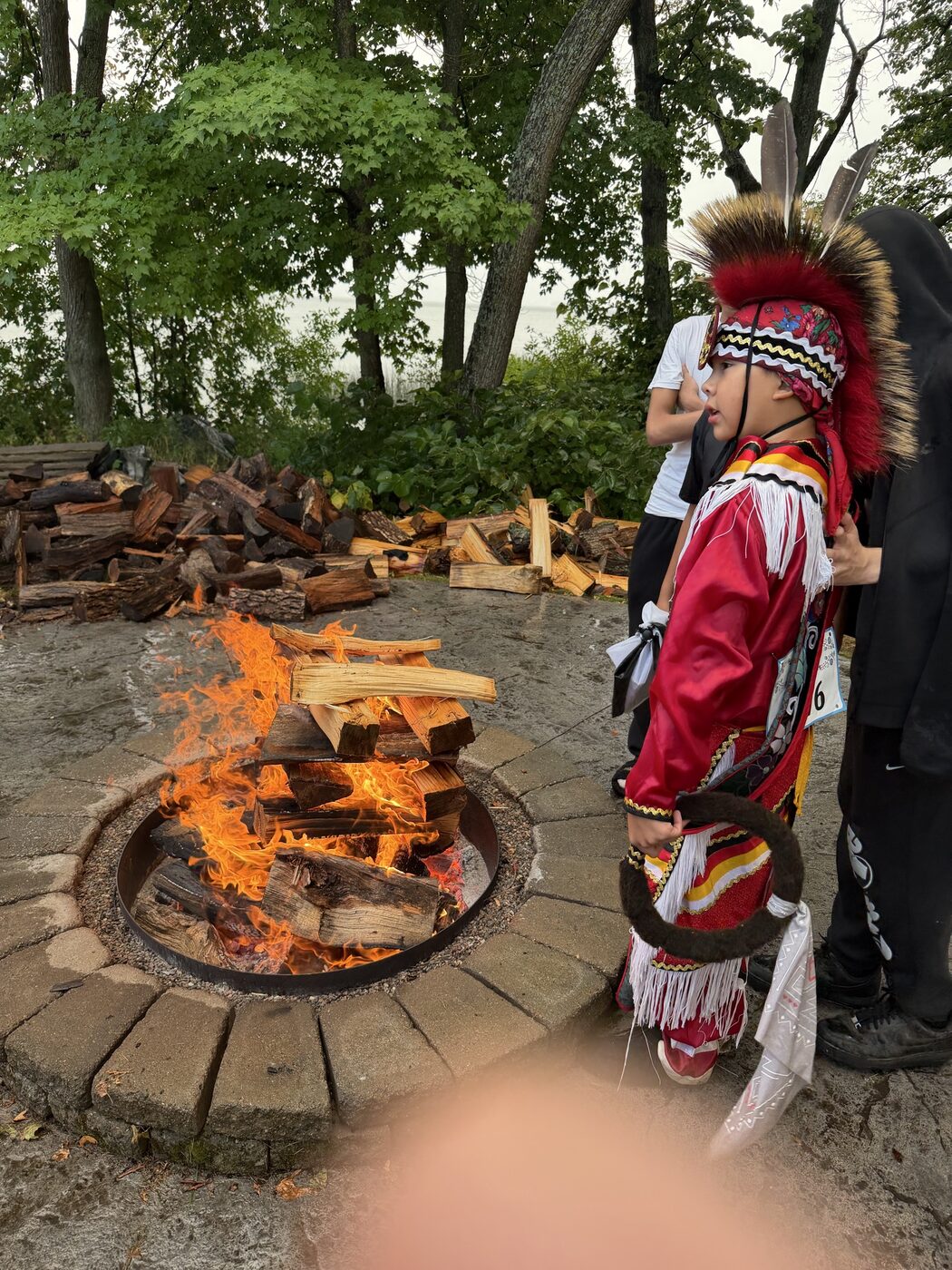
Regalia at the fire's edge — the next generation, feathers up, flame fed.
Drums standing to the flames — heat tightens the hide until the voice comes true. This is what the fire is for.
The keepers at the pit — four drums, one heartbeat.
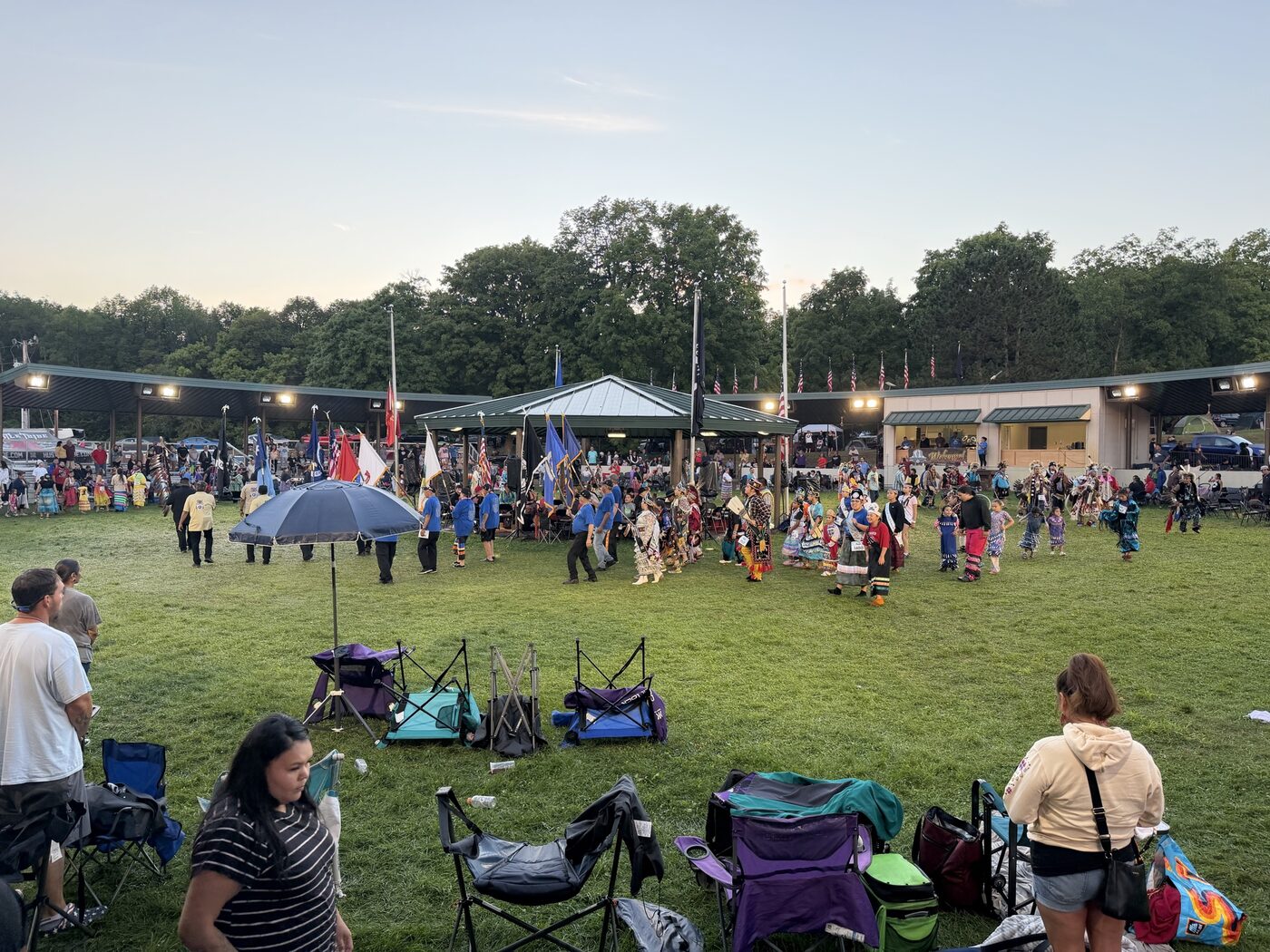
Grand entry — the flags carried in under the arbor, the ground filling with color.
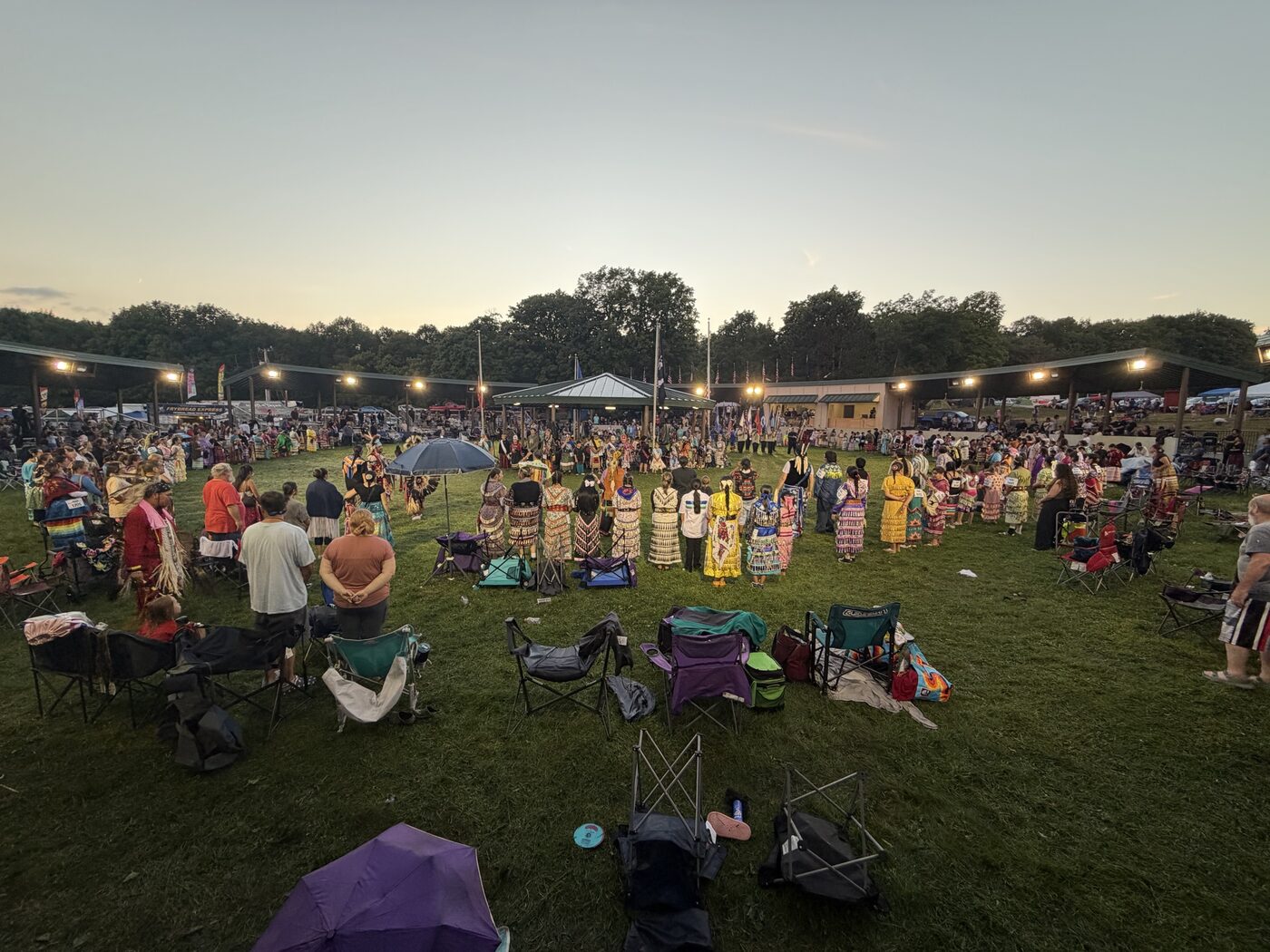
The circle at dusk — jingle dresses and shawls still turning as the light goes.
Niimi'idiwin — the dance itself, in motion. Ninety seconds under the arbor: grand entry, jingle and fancy shawl, the drum underneath all of it. August 2026.
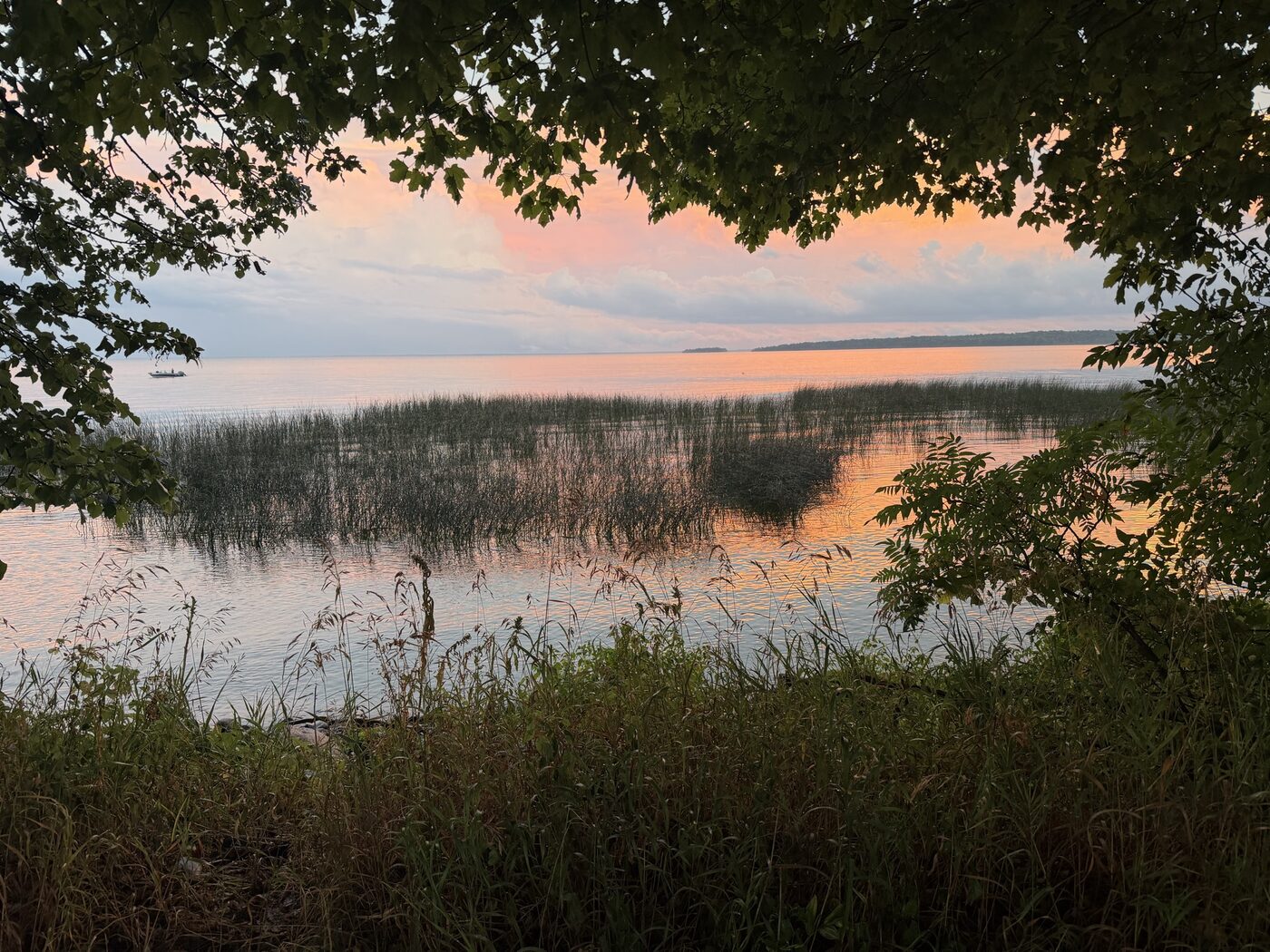
Misi-zaaga'igan at nightfall, framed in maple — the water that holds all of it.